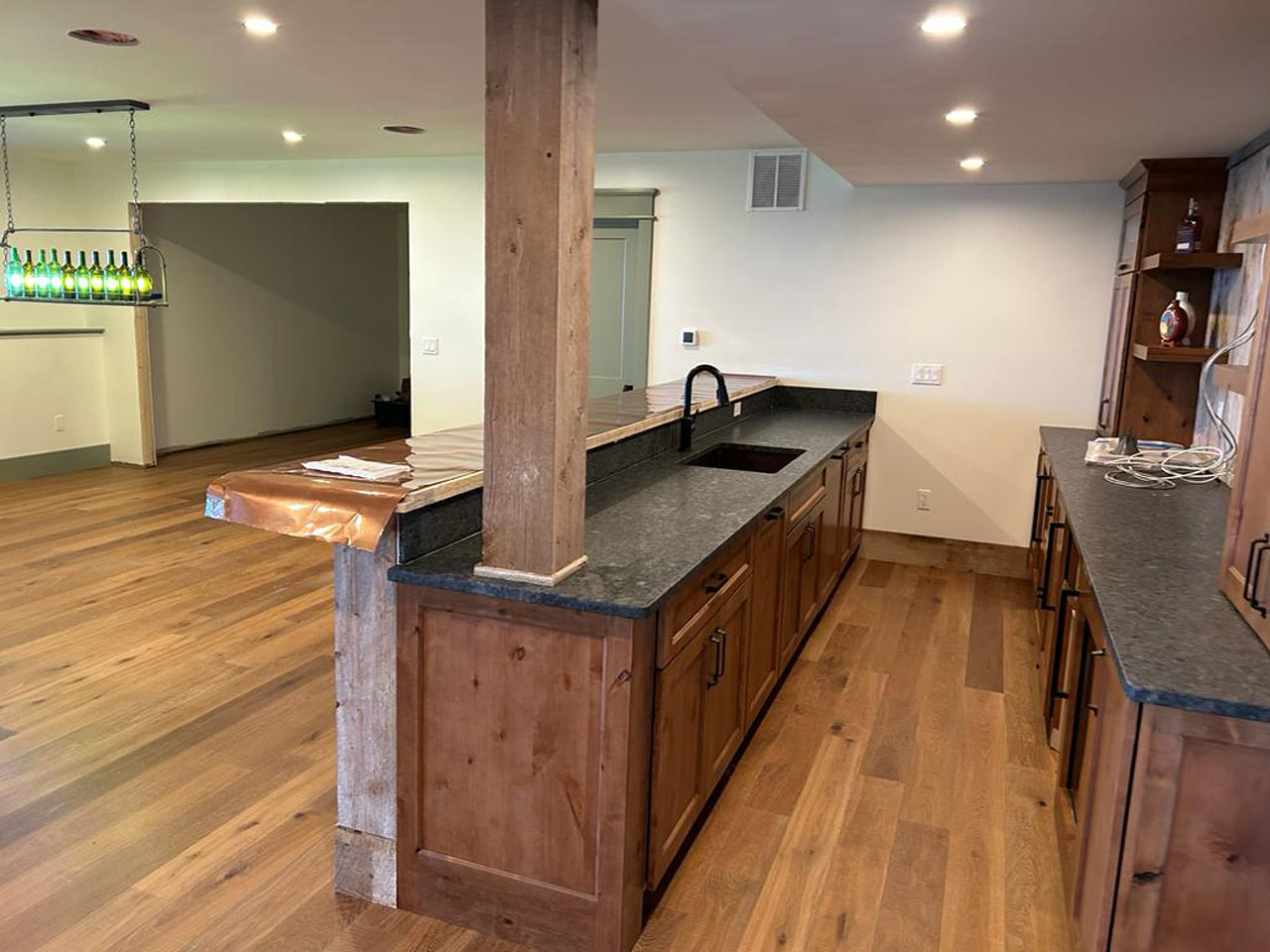
Countertops define a kitchen’s usability and style while representing a significant portion of a renovation budget. Homeowners wrestle with questions about which material strikes the perfect balance of beauty, longevity, and cost-effectiveness. This guide delivers expert insights into the top countertop materials for 2025, compares durability profiles, breaks down installation and material costs, explores leading brands, outlines the installation process and care techniques, highlights 2026 design trends, and recommends ideal surfaces for specific applications. By the end, you will confidently select the right countertop solution tailored to your needs.
What Are the Best Kitchen Countertop Materials in 2025?
Choosing the optimal kitchen countertop material requires weighing aesthetics, performance, and budget. The following sections explore natural stone, engineered surfaces, traditional alternatives, and cutting-edge eco-friendly options to help you navigate the marketplace.
Which Natural Stone Countertops Are Most Popular?
Natural stone countertops remain prized for their unique veining and robust performance. Homeowners gravitate toward these four options for enduring appeal and high resale value.
| Stone Type | Key Attribute | Typical Advantage |
|---|---|---|
| Granite | Scratch & Heat Resistance | Exceptional toughness and heat tolerance |
| Marble | Luxurious Appearance | Elegant veining, ideal for low-traffic areas |
| Quartzite | Durability | Combines marble-like beauty with granite-level strength |
| Soapstone | Chemical & Stain Resistance | Non-porous surface that ages gracefully |
Each stone surface delivers distinct character and performance. Transitioning to engineered alternatives expands design possibilities while preserving core benefits of natural materials.
What Are the Advantages of Engineered Stone Countertops?

Engineered stone surfaces blend crushed quartz or other minerals with resins to produce non-porous, uniform slabs. Key benefits include:
- Quartz – Non-porous, almost zero maintenance, and extensive color palette.
- Solid Surface – Seamless integration, easy repair, and precise edge profiles.
- Porcelain – High heat and UV resistance, suitable for indoor and outdoor kitchens.
- Dekton – Ultra-compact technology offering extreme scratch and chemical resistance.
These materials resist staining and microbial growth without periodic sealing, making them ideal for busy kitchens and families.
How Do Other Materials Compare?
Beyond stone and engineered slabs, several alternatives appeal to budget-conscious or stylistically adventurous homeowners.
| Material | Notable Property | Typical Use Case |
|---|---|---|
| Laminate | Cost-effective & lightweight | Rental units or temporary kitchens |
| Butcher Block | Warmth & repairable surface | Farmhouse and traditional kitchens |
| Concrete | Custom color/finish | Industrial-style or modern lofts |
| Stainless Steel | Hygienic & industrial look | Professional-style kitchens |
| Recycled Glass | Eco-friendly sparkle | Sustainable design projects |
While these materials may require more maintenance or exhibit specific vulnerabilities, they offer unique textures and cost savings.
What Are Emerging and Eco-Friendly Countertop Materials?
Sustainability and innovation fuel new countertop options that minimize environmental impact without compromising style:
- Recycled Composites: Post-consumer glass and stone aggregate bound with eco-resins.
- Paper Composite: High-pressure laminates made from reclaimed paper and resins.
- Rust-Free Concrete: Pre-blended, fiber-reinforced mixes that resist cracking and corrosion.
These materials appeal to green building projects and designers seeking textured, organic aesthetics.
How Durable Are Different Kitchen Countertops?
Durability influences both long-term value and practical daily performance. Understanding surface resistance and maintenance requirements ensures your chosen countertop withstands years of cooking and socializing.
Which Countertops Offer the Best Scratch, Heat, and Stain Resistance?
- Quartz resists scratches and stains due to its non-porous composition.
- Granite tolerates hot pans directly on the surface without discoloration.
- Porcelain withstands UV exposure and acidic spills with minimal wear.
Comparative Durability of Countertop Materials
Research comparing various countertop materials indicates that sintered surfaces like Dekton demonstrate superior hardness and resistance to scratches compared to granite and engineered quartz. While granite offers excellent heat tolerance, engineered quartz, though highly stain-resistant, requires protection from extreme heat to prevent damage.
This research directly supports the article’s claims regarding the scratch, heat, and stain resistance of Dekton, granite, and quartz countertops.
How Does Maintenance Affect Countertop Longevity?
Maintenance tasks directly extend the lifespan of natural and engineered surfaces:
- Sealing: Granite and marble require resealing every 1–2 years to prevent staining.
- Cleaning: Use pH-neutral cleaners on engineered stones to avoid dulling resin binders.
- Repair: Chips and scratches on butcher block can be sanded; engineered surfaces often need professional repair kits.
What Are the Pros and Cons of Durable Countertop Materials?
Comparing durability, cost, and upkeep highlights trade-offs when selecting a countertop:
| Material | Durability Rating | Maintenance Level | Cost Factor |
|---|---|---|---|
| Granite | High | Moderate | Mid-to-High |
| Quartz | Very High | Low | High |
| Porcelain | Very High | Low | Mid-High |
| Concrete | Moderate | High | Mid |
How Do Quartz and Granite Compare in Durability?
| Feature | Quartz | Granite |
|---|---|---|
| Scratch Resistance | Superior (resin-reinforced) | Excellent |
| Heat Tolerance | Good (avoid extreme heat) | Excellent (direct pan safe) |
| Stain Resistance | Excellent (non-porous) | Good (with regular sealing) |
| Maintenance | Minimal | Periodic sealing required |
What Is the Typical Cost of Countertop Installation and Materials?
Budgeting for new countertops involves understanding material pricing and installation expenses that vary by region and complexity.
How Much Do Popular Countertop Materials Cost Per Square Foot?
| Material | Material Cost (USD) | Installed Cost (USD) |
|---|---|---|
| Laminate | 10–30 | 30–60 |
| Butcher Block | 30–50 | 60–100 |
| Granite | 40–70 | 70–120 |
| Quartz | 50–100 | 80–150 |
| Marble | 60–120 | 100–200 |
Kitchen Countertop Material and Installation Costs
The cost of kitchen countertops varies significantly based on the material chosen, with laminate being among the most affordable options, ranging from $20 to $40 per square foot installed. Premium materials like natural stone can range from $70 to over $250 per square foot installed. Installation costs are further influenced by factors such as fabrication complexity, slab yield, regional labor rates, and the removal of existing countertops.
This information provides verified cost ranges and influencing factors, aligning with the article’s section on countertop pricing and budgeting.
What Factors Influence Countertop Installation Costs?
Installation costs depend on several variables:
- Fabrication Complexity: Curves, cut-outs, and edge profiles increase labor time.
- Slab Yield: Irregular kitchen layouts may generate more waste and require additional material.
- Location: Regional labor rates and permit fees can vary significantly.
- Removal & Disposal: Demolition of existing countertops may incur extra charges.
How Can You Budget for Countertop Replacement or Remodel?
- Obtain Multiple Quotes: Compare local fabricators for material and labor pricing.
- Allocate Contingency: Reserve 10–15% of the budget for unexpected issues like leveling or plumbing adjustments.
- Consider Phasing: Replace sections in stages to spread costs over time.
- Explore Discount Slabs: Select remnants or second-grade slabs for smaller projects or islands.
How to Choose the Best Countertop Brands for Quality and Style?
Selecting a reputable brand ensures consistent quality, design variety, and reliable warranties that protect your investment.
Which Brands Are Leading in Quartz and Engineered Stone?
- Caesarstone – Wide color spectrum, proprietary quartz blends, robust warranty coverage.
- Cambria – Premium, resin-rich quartz surfaces with integrated antimicrobial protection.
- Silestone – UV-stable finishes and diverse edge profile options for both indoor and outdoor use.
What Are the Top Brands for Natural Stone Countertops?
- MSI Surfaces – Vast inventory of granite, marble, and quartzite slabs; competitive pricing.
- Firenza Stone – Specialized in high-end marble and soapstone with custom polishing techniques.
How Do Brand Offerings Differ in Design and Warranty?
Brand differentiation often centers on:
- Color & Pattern Range: Some brands focus on monochromatic neutrals; others introduce bold marbling and metallic flecks.
- Edge Profiles: Standard eased edges vs. complex ogee, bevel, or waterfall designs.
- Warranty Terms: Coverage may include lifetime guarantees on fabrication defects, with varying limits on heat or impact damage.
What Is the Process for Countertop Installation and Care?
An efficient installation and maintenance process protects countertop performance and appearance over time.
What Are the Steps in Professional Countertop Fabrication and Installation?
- Measurement & Template Creation – Precision templates capture every angle and cut-out.
- Slab Selection & Inspection – Inspect slabs for defects, color consistency, and thickness.
- Fabrication – CNC routers cut and polish edges; installers verify fit before transit.
- Site Preparation – Remove old countertops, level cabinets, and confirm plumbing/electrical clearances.
- Installation & Seaming – Secure slabs with adhesives, align seams with color-matched epoxy.
- Final Inspection & Cleanup – Verify level installation, seal porous surfaces, and remove debris.
How Do You Properly Seal and Maintain Different Countertop Materials?
- Granite & Marble: Apply a penetrating sealer every 12–24 months to fill micropores and repel liquids.
- Butcher Block: Rub in food-safe mineral oil monthly and recoat with beeswax-based sealant annually.
- Quartz & Porcelain: Wipe daily with mild detergent; avoid harsh abrasives to preserve resin or glaze.
- Concrete: Use penetrating or topical sealers to inhibit stains and moisture penetration; reapply bi-annually.
What Are Common Countertop Repair Options?
- Chip Repair: Use epoxy resin fillers matched to the slab color.
- Scratch Removal: Light sanding and polishing for natural stones; manufacturer kits for engineered materials.
- Resurfacing: Apply thin overlays or refinishing coatings on laminated surfaces to refresh appearance.
What Are the Latest Countertop Design Trends and Styles for 2026?

2026 Kitchen Design Trends
The National Kitchen & Bath Association’s 2026 Kitchen Trends Report highlights a growing emphasis on personalized, multi-purpose kitchen spaces and an increase in overall kitchen size. Key trends include the integration of smart technology, a preference for warm and neutral color palettes, and the incorporation of organic and earthy aesthetics, with bolder colors used for accents.
This research directly supports the article’s discussion of emerging design trends and styles for kitchen countertops in 2026.
How Are Natural Quartzite and Colorful Stones Shaping Designs?
Natural quartzite slabs featuring pinks, greens, and blues deliver one-of-a-kind kitchen islands and accent walls. Their vibrant veining creates dynamic focal points while retaining the strength homeowners demand.
What Are Expressive Edge Profiles and Mixed Material Countertops?
- Waterfall edges that continue slab material down cabinet sides.
- Contrasting inlays of wood or metal between stone sections.
- Chevron-patterned butcher block islands framed by matte porcelain perimeters.
Mixing textures and thicknesses elevates kitchen geometry.
How Do Warm and Neutral Tones Influence Kitchen Aesthetics?
Warm neutrals like taupe, cream, and soft terracotta foster inviting atmospheres, while cool grays and charcoals support minimalist, high-contrast schemes. Balancing warm and neutral slabs with complementary cabinetry and backsplash elements ensures cohesive visual harmony.
Which Countertops Are Best for Specific Applications?
What Are the Best Countertops for Kitchens?
Quartz and granite excel in kitchen use thanks to their resistance to scratches, stains, and heat. Their non-porous or well-sealed surfaces simplify cleanup and support food preparation hygiene.
Which Countertops Work Well in Bathrooms?
Porcelain and quartz offer moisture resistance crucial for bathroom vanities. Marble adds luxurious veining but requires diligent sealing to prevent water-induced etching.
What Materials Are Ideal for Outdoor Countertops?
Porcelain, Dekton, and rust-free concrete withstand UV rays, temperature fluctuations, and rain without fading or cracking. These non-porous, low-maintenance surfaces keep outdoor kitchens pristine year-round.
Countertop selection hinges on balancing aesthetic vision, durability requirements, and budget constraints. By understanding the strengths of natural stone, engineered slabs, traditional materials, and emerging eco-friendly options, homeowners can choose surfaces that endure daily use and reflect personal style. An informed approach to installation steps, maintenance routines, and trend forecasting ensures your countertop investment enhances functionality and elevates design for years to come.