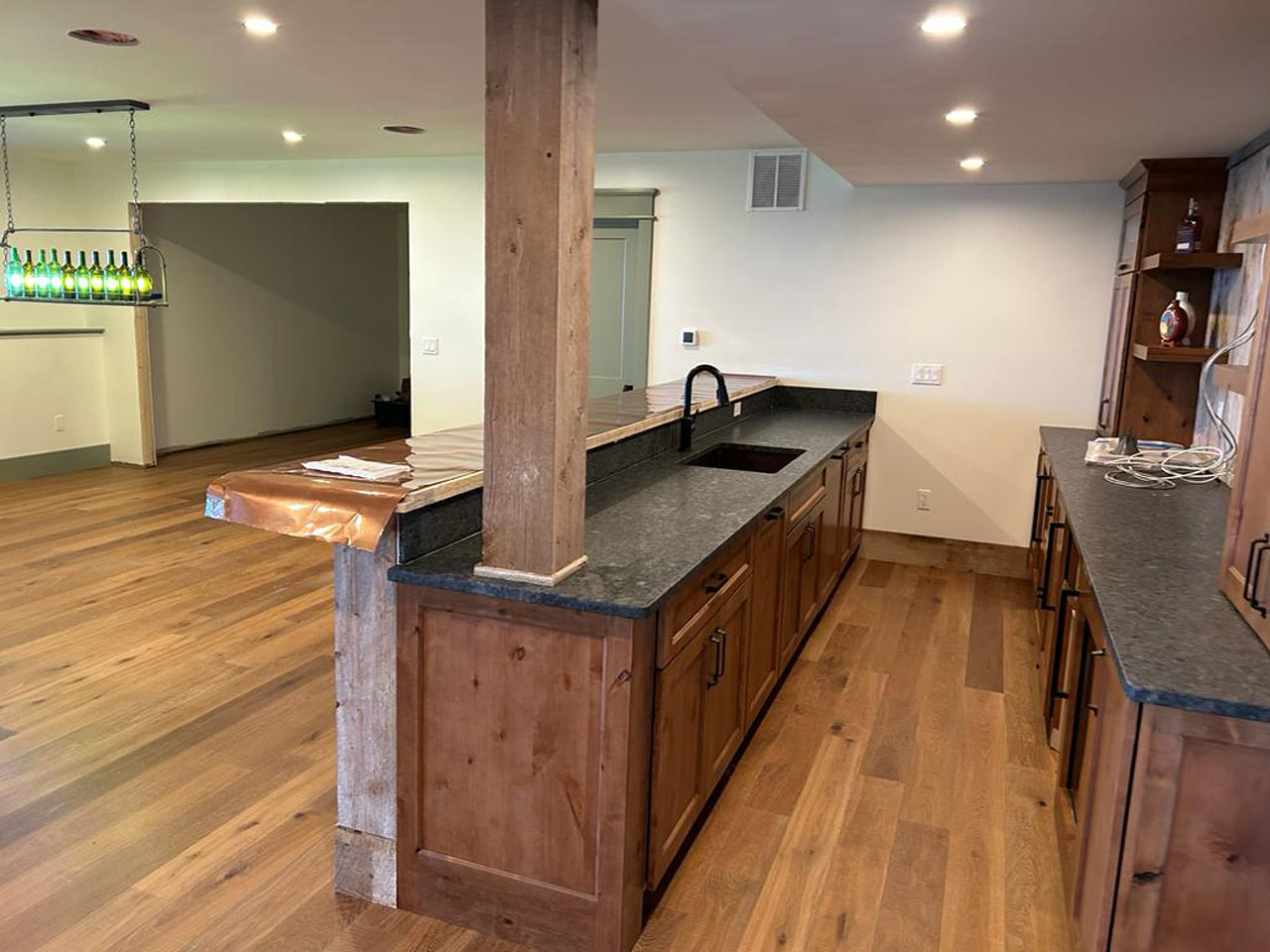
Luxury Custom Bathroom Countertops
Custom bathroom countertops are made to fit your vanity and your life — combining individual style with long-lasting performance that stock pieces can’t match. This guide shows how custom fabrication opens design possibilities — from dramatic veining and waterfall edges to integrated sinks and moisture‑resistant finishes — while addressing the practical needs of New England homes. With local issues like humidity, seasonal temperature swings, and compact layouts, a custom top solves fit-and-finish problems and improves daily use. Read on for the benefits of custom vanity tops, a material-by-material comparison, 2025 design trends, the fabrication and installation workflow, and New England‑specific considerations. Practical checklists and clear comparisons make choices easier so you can plan your remodel with confidence.
What Are the Benefits of Choosing Custom Bathroom Countertops?
Choosing a custom bathroom countertop gives you a precise fit, control over the final look, and materials chosen for wet environments. A bespoke top adapts to uneven or built-in vanities, lets you place seams where they’ll be least noticeable, and supports options like integrated sinks or waterfall sides for easier cleaning and a cohesive appearance. Custom fabrication also lets you pick edge profiles, finishes, and thicknesses to balance form and function — for example, splash control or drawer clearance. Together, these choices increase the room’s appeal and deliver a finish that stands up to everyday use.
Beyond looks, custom decisions affect function: aligning veining, locating seams away from faucets, and matching backsplash details are things pre-cut pieces rarely allow. That design control cuts down on onsite changes and delays so the finished countertop looks intentional, performs reliably, and supports resale value.
In short, the core benefits are:
- Personalized Style: Create a distinctive look with material, color, and edge choices.
- Perfect Fit: Accurate templating avoids awkward gaps and visible seams.
- Enhanced Durability: Select surfaces that resist moisture and stains.
- Improved Functionality: Integrate sinks and choose profiles that work with daily storage and clearance needs.
With those advantages in mind, the next section links material choices to real bathroom use-cases and upkeep expectations.
How Do Custom Designs Enhance Style and Personalization?
Custom designs let you coordinate veining, color, and edge detail with cabinets, tile, and lighting for a unified room. You can pick a dramatic slab to make the vanity the focal point or a subtle pattern to complement other finishes. Edge profiles — eased, bullnose, ogee, or waterfall — change shadow lines and perceived thickness, letting designers support modern, traditional, or transitional looks. Tools like visualizers and sample slabs make combinations tangible so clients can approve the look before fabrication begins.
One quick example: a narrow New England powder room felt wider after using a light quartz slab with a thin eased edge and an integrated sink, with veining oriented horizontally to draw the eye across the space. That choice preserved storage clearance and made cleaning simpler — a practical, high-impact solution that shows why homeowners choose custom tops over off‑the‑shelf options.
Why Is Durability and Functionality Important for Bathroom Countertops?
Bathrooms see frequent moisture, cosmetic spills, and regular cleaning — all of which can expose a countertop to staining, etching, and discoloration. Choosing non‑porous materials or stones that take a sealer reduces long‑term maintenance and lowers replacement risk. Functional choices like integrated sinks, undermount installations, and waterfall edges reduce seams where grime collects, making everyday cleaning faster. Prioritizing durability — in material, finish, and edge — lowers lifecycle costs and helps the surface keep its looks through heavy use.
Knowing how each material reacts to humidity and typical bathroom products helps set realistic maintenance plans and warranty expectations. Next we compare material properties to help match performance to the room’s needs.
Which Luxury Materials Are Best for Custom Bathroom Vanity Tops?

Picking the right luxury material comes down to moisture exposure, how much upkeep you’ll accept, the look you want, and your budget. Materials differ in porosity, scratch and heat resistance, and visual character. Match those traits to the room’s routine and you’ll get the best long‑term result. Below we compare popular choices — quartz, granite, marble, porcelain, and soapstone — so you can decide whether performance or aesthetics is the priority.
Quick material comparison by bathroom suitability and care:
| Material | Key Properties | Best For (use-case) |
|---|---|---|
| Quartz | Engineered, non‑porous surface; low maintenance; wide color range | Family bathrooms, guest baths, high‑use vanities |
| Granite | Natural stone; excellent scratch and heat resistance; porosity varies | Master baths where durability and natural character matter |
| Marble | Distinctive veining and luxury look; softer and more reactive to acids | Powder rooms or low‑traffic luxury vanities |
| Porcelain | Highly stain‑ and heat‑resistant; available in large, thin slabs | Seamless modern designs and integrated sink applications |
| Soapstone | Softer stone that develops a patina; naturally chemical‑resistant | Traditional or rustic bathrooms with gentle use |
That snapshot highlights the tradeoffs so you can pick a material that suits everyday habits and your design goals. Below we start with quartz and its advantages.
What Are the Advantages of Quartz for Bathroom Countertops?
Quartz is made from natural quartz combined with resins and pigments, producing a reliably non‑porous surface that resists stains and usually needs little to no sealing. Its consistent patterns and broad color choices make matching cabinets and tile straightforward, and its resistance to common bathroom spills keeps maintenance simple. Many manufacturers provide solid warranties and care guidelines, which makes quartz a go‑to for family baths and busy guest bathrooms. Because it’s engineered, fabrication and edge work are predictable — helpful when you want tight tolerances for integrated sinks or precise edges.
Predictability and low maintenance are why designers often specify quartz where function must match style. Next, we compare quartz with natural stones like granite and marble.
How Do Granite and Marble Compare for Bathroom Vanity Surfaces?
Granite is valued for toughness: it resists scratches and heat and performs well when sealed, making it a practical choice for busy master bathrooms. Each slab’s unique mineral pattern gives a natural look that ages gracefully. Marble offers unmatched veining and a luxe feel but is softer and more sensitive to acids and some cleaners, so it typically needs more frequent sealing and careful upkeep. Marble suits powder rooms or lower‑use luxury spaces; for everyday family bathrooms, granite or engineered quartz often provide better long‑term value.
When choosing between these stones, consider traffic levels, how much maintenance you’re comfortable with, and whether matching veining is important. Modern porcelain and recycled options add more choices to the palette.
What Are the Benefits of Modern Porcelain and Sustainable Materials?
Porcelain slabs have advanced quickly: they’re nearly impervious to stains and heat and come in large formats that minimize seams. Porcelain can convincingly mimic stone or concrete while keeping maintenance low, making it ideal for integrated sinks and minimalist setups. Sustainable options — like responsibly sourced quartz with recycled content or recycled glass composites — lower environmental impact and appeal to eco‑minded homeowners. These materials often match performance expectations while supporting greener remodels.
If you want modern performance and a smaller footprint, porcelain or recycled‑content engineered materials are strong contenders that don’t trade durability for conscience.
What Are the Latest Modern Bathroom Countertop Design Ideas for 2025?
For 2025, expect tactile surfaces, striking but purposeful statements, and seamless joins that blend form and function. Bold veining and statement slabs are being paired with matte or leathered finishes that soften reflections while emphasizing texture. Integrated sinks and waterfall edges reduce seams and create continuous sightlines, simplifying cleaning and showcasing material quality. Designers also favor thinner profiles and coordinated backsplashes to make bathrooms feel cohesive and gallery‑like, whether the room is compact or expansive.
These trends respond to homeowners who want looks that feel custom and last under daily wear. Key design elements to consider for a modern vanity update are below.
How design elements translate into look and use:
| Design Element | Visual Impact | Practical Benefit |
|---|---|---|
| Waterfall edge | Strong vertical continuity | Conceals cabinet edges; creates a furniture‑like presence |
| Integrated sink | Sleek, seamless appearance | Fewer seams to clean; simplified maintenance |
| Matte or leathered finish | Subtle, tactile surface | Masks water spots and improves grip |
| Bold veining slab | Striking focal point | Reduces need for extra decor |
Use this table to translate trend language into decisions that balance aesthetics and daily life. Next we cover how structural choices like waterfall edges and integrated sinks are built and installed.
How Do Waterfall Edges and Integrated Sinks Create Seamless Designs?
Waterfall edges drop the countertop material down the vanity sides, creating a continuous plane that reads like sculpted furniture rather than a top laid on cabinets. Integrated sinks are fashioned from the same slab or matching material, eliminating seams where dirt can collect and making cleaning easier. Both approaches demand precise templating and experienced fabrication to handle seams, drain placement, and cabinet clearances, and they can increase cost because of extra material and care. The payoff is a refined, low‑maintenance surface that elevates small bathrooms with clean geometry.
These solutions require close coordination between designer, fabricator, and installer so the finished look functions exactly as intended.
Which Edge Profiles and Finishes Elevate Bathroom Vanity Aesthetics?
Edge profiles and finishes are small design choices that change perceived thickness, reflectivity, and style. Eased or chamfered edges keep lines crisp for modern vanities; ogee or bullnose edges soften sightlines for traditional rooms. Finishes — polished for shine, honed for a satin feel, or matte/leathered for texture — affect how water and fingerprints appear and how often a surface needs attention. Picking edges and finishes early avoids last‑minute compromises and keeps the installation both ergonomic and beautiful.
Deciding on these details during the design phase ensures a cohesive result that feels planned, not patched together.
How Does the Custom Fabrication and Installation Process Work?
A clear fabrication and installation process reduces surprises and ensures the final countertop fits, looks, and performs as expected. The typical workflow includes consultation and material selection, precision templating, controlled fabrication with quality checks, and professional installation with final adjustments. Each stage matters: consultation sets goals, templating locks seam and overhang placement, fabrication produces exact cutouts and edges, and installation seals joints and levels the surface. Understanding these steps helps homeowners plan timelines and know when key decisions are needed.
Below is a step‑by‑step checklist that outlines what to expect and how each phase protects your investment.
The templating‑to‑installation workflow and its customer benefits:
| Process Step | What Happens | Customer Benefit |
|---|---|---|
| Consultation & Design | Choose material, edge, sink style, and preview options | Aligns look, function, and budget |
| Precision Templating | On‑site or digital measurements and seam planning | Ensures accurate fit and minimizes on‑site changes |
| Fabrication & Finishing | CNC cutting, edge profiling, polishing, quality inspection | Delivers precise joints and consistent finishes |
| Professional Installation | Transport, dry‑fit, bond seams, apply sealant, level checks | Long‑lasting, watertight results with clean finish |
That sequence shows how each phase reduces risk and improves the final outcome. Next we go deeper into the two most critical stages: templating and fabrication/installation.
What Steps Are Involved in Consultation and Precision Templating?
Consultation covers material selection, edge profile, sink style, and measurement planning so aesthetics and function align. Precision templating follows, using either advanced digital scans or carefully made physical templates that record cabinet offsets, plumbing locations, and backsplash details. Templating determines seam placement and accounts for faucet and appliance clearances, which reduces surprises at install. Final template approval lets fabricators cut slabs with confidence, shortening lead times and avoiding on‑site modifications.
When features are complex — integrated sinks or waterfall edges, for example — a detailed templating step is essential to hit millimeter‑level accuracy.
How Does Expert Fabrication and Professional Installation Ensure Quality?
Expert fabrication happens in controlled shop settings using CNC machines, bridge saws, and skilled finishers to produce precise cutouts, uniform edges, and tight seams. Quality control checks joint fit, edge consistency, and surface finish before pieces leave the shop. Professional installers then transport the pieces, dry‑fit them, bond seams with the right adhesives, apply final sealants, and perform level checks and cleanup. Proper installation prevents transport damage, minimizes visible seams, and helps the countertop perform for years without shifting or water intrusion.
Experienced technicians and a coordinated schedule speed turnaround and protect your investment from slab selection to finished vanity top.
Why Choose Classic Stoneworks for Custom Bathroom Countertops in New England?
Classic Stoneworks is a regional stone services company based in Londonderry, NH, serving homeowners across New England with precision fabrication and professional installation for bathrooms and kitchens. We pair a customer‑first approach with fast turnarounds and experienced teams that use visualizer tools to make design choices clear. That means hands‑on collaboration, practical recommendations suited to New England’s climate, and predictable results that fit your schedule.
We combine material guidance with local know‑how — from humidity and seasonal expansion to tight bathroom footprints — to recommend the right stone or engineered surface for each project. Our consultative design sessions and careful templating reduce surprises on site. Use our portfolio and visualizer to preview integrated sinks, edge profiles, and backsplash relationships so you can make confident decisions before fabrication begins. For homeowners who want a local partner familiar with regional installation challenges, Classic Stoneworks delivers tailored service and measurable outcomes.
What Makes Classic Stoneworks’ Customer-First Approach Unique?
At Classic Stoneworks we prioritize clear communication, straightforward quotes, and collaborative design reviews that keep homeowner preferences front and center. We use visualizer technology to show how materials and edges will look in your actual space, which reduces uncertainty and change orders. Our scheduling focuses on timely fabrication and coordinated installations that minimize disruption and protect existing finishes. This consultative model supports both the aesthetic and practical sides of a remodel so projects finish on time and on budget.
Clients appreciate this reliable process because it pairs local expertise with the control of custom fabrication, delivering consistent results across diverse New England homes.
How Do Local Projects Showcase Our Expertise and Quality?
Local project examples highlight Classic Stoneworks’ experience with slab selection, veining alignment, and tight‑fit installations across varied New England layouts and moisture conditions. Our portfolio covers everything from compact powder room builds to master bath waterfall installations, showing material choices and finish decisions that stood up to daily use. These case studies demonstrate careful seam placement, clean edge profiling, and integrated‑sink fabrication that reduce callbacks and earn homeowner satisfaction. Prospective clients can review gallery images and visualizations to confirm a style direction before production.
Working locally also shortens lead times and improves coordination with area contractors, smoothing the remodel from templating to final inspection.
What Are the Most Common Questions About Custom Bathroom Countertops?
Homeowners often ask which material is best, how to pick a design that fits their space, and what timeline to expect from templating to installation. Clear answers help you weigh tradeoffs — low maintenance, a dramatic look, or sustainability — and match them to the right material and approach. Below are straightforward responses to the top concerns to help you plan and buy with confidence.
What Is the Best Material for a Bathroom Countertop?
The ideal material depends on your priorities: quartz for low upkeep and consistent color, granite for natural toughness and heat resistance, marble for a luxurious look in lower‑traffic areas, and porcelain for thin, seamless modern installations. In humid New England bathrooms, non‑porous quartz or porcelain minimize water‑related staining and reduce sealing needs. Match the material to traffic levels and how much maintenance you’ll accept to get the best long‑term result.
Consider daily use, exposure to cosmetics and cleaners, and the aesthetic you want to find the right material for your project.
How Do I Choose the Right Custom Design for My Bathroom Vanity?
Start with a short checklist that balances space constraints, cabinet style, sink type, maintenance tolerance, and budget. Use this during your consultation and try options in a visualizer if available.
- Measure Usage: Is the bathroom high‑traffic (family) or lower‑use (powder room)?
- Match Style: Coordinate edge profiles and finishes with cabinetry and lighting.
- Select Sink Type: Pick integrated, undermount, or vessel sinks based on cleaning and looks.
- Consider Maintenance: Choose non‑porous materials for low upkeep, or plan for sealing with natural stone.
This checklist keeps the design discussion focused on choices that fit daily habits and desired outcomes. Bringing sample slabs and using a visualizer helps finalize a design that looks and works the way you expect.
If you’re ready to move from inspiration to action, request a quote, book a consultation, or visit our showroom to see slabs and edge profiles in person.
Frequently Asked Questions
1. What factors should I consider when selecting a material for my custom bathroom countertop?
When choosing a material for your custom bathroom countertop, consider factors such as moisture resistance, maintenance requirements, aesthetic preferences, and budget. Non-porous materials like quartz are ideal for high-traffic bathrooms due to their low upkeep and stain resistance. In contrast, natural stones like granite and marble offer unique beauty but may require more maintenance. Assess how each material aligns with your daily use and design goals to ensure a long-lasting and visually appealing result.
2. How can I ensure my custom countertop fits perfectly in my bathroom?
To achieve a perfect fit for your custom countertop, precise templating is essential. This process involves taking accurate measurements of your vanity and surrounding areas, accounting for any irregularities. Working with experienced fabricators who use advanced technology, such as digital scans, can help ensure that the final product aligns with your specifications. Additionally, discussing your design intentions and any unique features during the consultation phase will further enhance the fit and finish of your countertop.
3. What are the advantages of integrated sinks in custom bathroom countertops?
Integrated sinks offer several advantages in custom bathroom countertops, including a seamless appearance and easier maintenance. By being crafted from the same material as the countertop, integrated sinks eliminate visible seams where dirt and grime can accumulate. This design not only enhances the aesthetic appeal but also simplifies cleaning. Furthermore, integrated sinks can be tailored to fit your specific needs, providing a cohesive look that complements the overall design of your bathroom.
4. How do I choose the right edge profile for my custom countertop?
Selecting the right edge profile for your custom countertop involves balancing aesthetics with functionality. Popular options include eased, bullnose, and waterfall edges, each offering a distinct look. Eased edges provide a modern, clean appearance, while bullnose edges soften the lines for a more traditional feel. Consider how the edge profile will complement your cabinetry and overall design, as well as its impact on cleaning and safety. Discussing these options with your fabricator can help you make an informed choice.
5. What maintenance is required for different countertop materials?
Maintenance requirements vary by material. Quartz countertops are low-maintenance, typically needing only mild soap and water due to their non-porous nature. Granite requires periodic sealing to protect against moisture and stains, while marble is more sensitive and needs frequent sealing to prevent etching. Understanding the specific care instructions for your chosen material is crucial to prolonging its appearance and lifespan. Always consult the manufacturer’s guidelines for the best maintenance practices.
6. Are there any design trends for bathroom countertops that I should be aware of?
Current design trends for bathroom countertops emphasize tactile finishes, bold veining, and seamless integrations. In 2025, expect to see matte or leathered surfaces that reduce glare and enhance texture. Waterfall edges and integrated sinks remain popular for their clean, modern look and minimal seams. These trends not only elevate the aesthetic appeal of bathrooms but also improve functionality, making them excellent choices for contemporary spaces.
7. How can I visualize my custom countertop design before installation?
To visualize your custom countertop design before installation, many fabricators offer visualizer tools that allow you to see how different materials, colors, and edge profiles will look in your space. Additionally, requesting sample slabs can provide a tangible sense of texture and color, helping you make informed decisions. Engaging in this process ensures that you are satisfied with your choices and can confidently move forward with your project.
1. How do I maintain my custom bathroom countertop?
Maintenance depends on the material. Quartz typically needs only mild soap and water because it’s non‑porous and stain‑resistant. Granite benefits from periodic sealing to protect against moisture and stains. Marble requires more careful care due to etching and will need more frequent sealing. Always follow the manufacturer’s care instructions and avoid harsh chemicals to prolong your countertop’s appearance and life.
2. Can I customize the shape of my bathroom countertop?
Yes — one of the main advantages of custom countertops is tailoring the shape to your vanity and space. Whether you need a unique contour for an irregular cabinet or a standard rectangle, custom fabrication lets us match precise measurements and design intent so the countertop fits perfectly and enhances your bathroom.
3. What is the typical lead time for custom countertop fabrication and installation?
Lead times vary with design complexity, material availability, and fabricator workload. Typically expect 2 to 4 weeks from initial consultation to installation. Discuss timing with your fabricator early, especially if you’re working with a tight schedule.
4. Are there eco-friendly options for bathroom countertops?
Yes — there are sustainable choices like recycled glass composites and responsibly sourced quartz with recycled content. These materials reduce environmental impact while still offering durability and attractive finishes. When choosing eco‑friendly options, consider their performance to make sure they meet your bathroom’s needs.
5. How do I choose the right edge profile for my countertop?
Pick an edge profile by weighing aesthetics and function. Popular options include eased, bullnose, and waterfall edges, each with a different look and feel. Eased edges suit modern designs; bullnose softens lines for more traditional spaces. Consider how the edge will complement your cabinetry and affect cleaning and safety.
6. What are the latest trends in bathroom countertop designs for 2025?
In 2025, expect tactile finishes, bold veining, and seamless integrations. Matte or leathered surfaces reduce glare and emphasize texture. Waterfall edges and integrated sinks continue to be popular for their clean look and minimal seams. These elements raise both aesthetics and functionality, making them strong choices for contemporary bathrooms.
7. How can I visualize my custom countertop design before installation?
Many fabricators provide visualizer tools to preview your countertop in a virtual version of your space. These let you try different materials, colors, and edges. Requesting sample slabs is also helpful so you can see texture and color in person before committing.
Conclusion
Custom bathroom countertops deliver a tailored look, accurate fit, increased durability, and improved functionality designed for New England homes. Choosing the right materials and details lets you elevate your bathroom while ensuring long‑term performance and value. Ready to transform your space? Explore our selection of luxury materials and custom options, or contact us today to start your project with Classic Stoneworks.