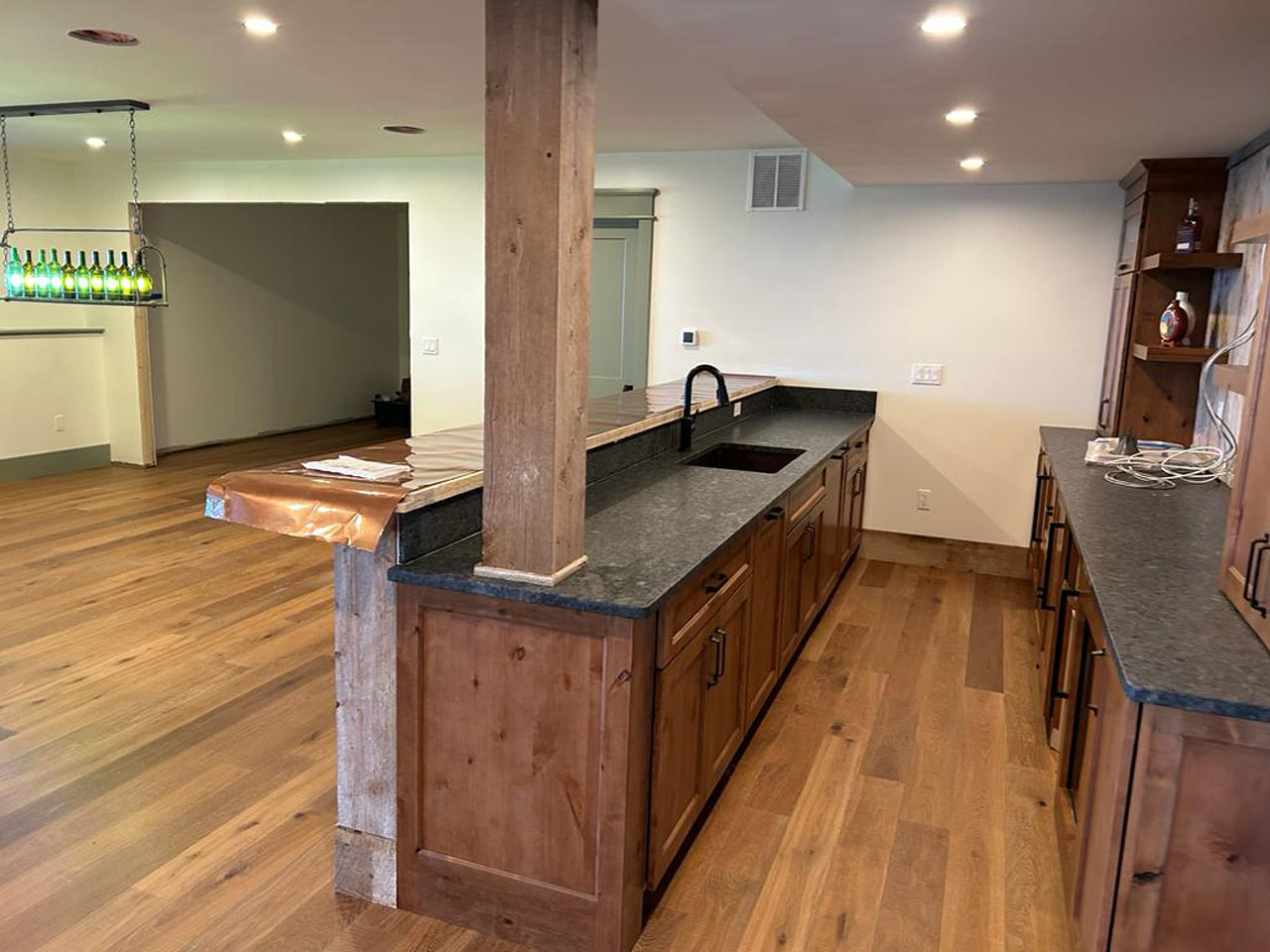
Explore the Best Stone Countertop Material Options for Your Home
Choosing the right countertop material is crucial for both functionality and aesthetics in your home. With a variety of options available, homeowners often find themselves overwhelmed by the choices. This article explores the best stone countertop material options, including granite, quartz, and marble, highlighting their unique benefits and considerations. Understanding these materials can help you make an informed decision that enhances your kitchen or bathroom while fitting your lifestyle and design preferences. We will also discuss the advantages of custom stone fabrication, which can elevate your countertop experience through tailored designs and professional installation. For more inspiration, visit our portfolio.
The best stone countertop material options for your home include:
When selecting a countertop material, it’s essential to consider both the aesthetic appeal and practical functionality. The best stone countertop materials available today include:
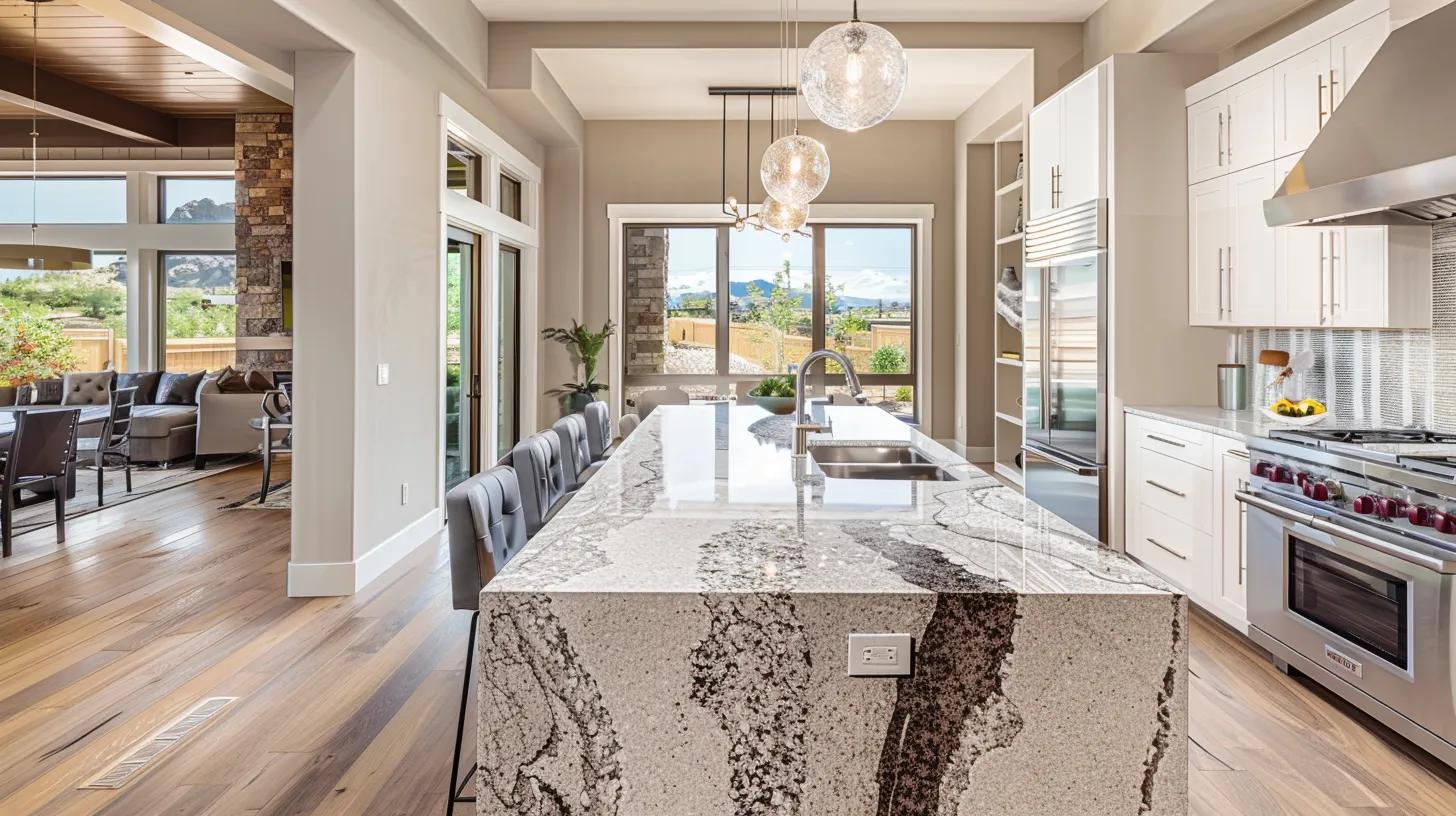
- Granite: Known for its durability and natural beauty, granite is a popular choice for kitchens and bathrooms. It offers a unique pattern and color variations, making each slab one-of-a-kind.
- Quartz: An engineered stone, quartz combines natural quartz crystals with resins, resulting in a non-porous surface that is highly resistant to stains and scratches. Its versatility in design makes it a favorite among homeowners.
- Marble: Renowned for its elegance and timeless appeal, marble features distinctive veining patterns. While it requires more maintenance than granite or quartz, its luxurious look is unmatched.
- Porcelain: A newer option in the market, porcelain countertops are made from clay and minerals, offering a durable and low-maintenance surface that can mimic the appearance of natural stone.
These materials each have their unique characteristics, making them suitable for different styles and uses in your home. To learn more about selecting the right material, check out our buying process.
What Are the Key Benefits and Considerations of Granite Countertops?
Granite countertops are celebrated for their durability and natural beauty. They are highly resistant to scratches and heat, making them an excellent choice for busy kitchens. Additionally, granite is a long-term investment, as it can last for decades with proper care. However, it does require periodic sealing every 1 to 3 years to maintain its appearance and prevent staining.
The unique patterns and colors of granite add a touch of elegance to any space, making it a favored option among homeowners looking to enhance their kitchen or bathroom aesthetics. For professional installation services, please contact us.
How Does Granite Durability Support Long-Term Kitchen Use?
Granite‘s durability is one of its most significant advantages, especially in kitchen environments. It can withstand direct contact with hot pans, making it ideal for cooking enthusiasts. Furthermore, granite maintains its structural integrity for decades, ensuring that your investment remains valuable over time.
This resilience not only supports daily kitchen activities but also contributes to the overall longevity of your home’s surfaces, making granite a practical choice for any homeowner.
What Maintenance Practices Ensure Granite Countertop Longevity?
To ensure the longevity of granite countertops, homeowners should adopt several maintenance practices:
- Regular Sealing: Seal your granite countertops every 1 to 3 years to protect against stains and moisture.
- Immediate Spill Management: Clean spills promptly, especially those involving oil, wine, or pigmented products, to prevent staining.
- Use of pH-Neutral Cleaners: Opt for pH-neutral cleaners to avoid damaging the surface.
By following these maintenance tips, you can keep your granite countertops looking pristine for years to come.
Why Choose Quartz Countertops for Style and Durability?
Quartz countertops are an excellent choice for those seeking a combination of style and durability. They are highly resistant to scratches, stains, and heat, making them ideal for high-traffic areas. Additionally, quartz requires minimal maintenance, as it does not need sealing like granite or marble.
The aesthetic versatility of quartz allows homeowners to choose from a wide range of colors and patterns, ensuring that it can fit seamlessly into any design scheme. This makes quartz a practical and stylish option for modern kitchens and bathrooms. Explore design options in our portfolio.
How Does Quartz Compare to Other Stone Materials in Maintenance?
When comparing quartz to other stone materials like granite and marble, its non-porous nature stands out. Unlike granite, which requires regular sealing, quartz does not absorb liquids, making it resistant to staining and moisture. This characteristic significantly reduces maintenance efforts, allowing homeowners to enjoy their countertops without the added worry of upkeep.
Moreover, quartz‘s durability means it can withstand the rigors of daily use, making it a reliable choice for families and busy households.
What Design Options and Innovations Are Available in Quartz Surfaces?
Quartz surfaces offer a variety of design options and innovations that cater to modern aesthetics. Homeowners can choose from an extensive palette of colors and patterns, including options that mimic the look of natural stones like marble or granite.
Custom fabrication allows for tailored design features, such as unique edge profiles and integrated sinks, enhancing the overall functionality and appearance of the countertop. Additionally, many quartz manufacturers are now focusing on environmentally friendly practices, making it a sustainable choice for eco-conscious consumers. For more details on the buying process, visit our buying process page.
What Makes Marble Countertops an Elegant Choice and How Should They Be Cared For?
Marble countertops are synonymous with elegance and luxury. Their unique veining patterns and soft color palettes create a timeless appeal that enhances any space. However, marble requires more care than granite or quartz due to its porous nature, which makes it susceptible to staining.
To maintain marble surfaces, homeowners should:
- Regular Cleaning: Clean spills immediately, especially acidic substances like lemon juice or vinegar, which can etch the surface.
- Sealing: Apply a sealant every 6 to 12 months to protect against stains.
- Use of Coasters and Trays: Protect the surface by using coasters for drinks and trays for hot dishes.
By following these care practices, homeowners can preserve the beauty of their marble countertops for years. For professional advice or installation, contact us.
What Are the Unique Characteristics of Marble for Home Countertops?
Marble is distinguished by its aesthetic appeal and unique characteristics. Each slab of marble is distinct, showcasing natural variations in color and veining that add to its charm. Additionally, marble is relatively heat resistant, making it suitable for areas where hot pots and pans may be placed.
However, its softness compared to granite means it can be more prone to scratches and chips, necessitating careful handling. Understanding these characteristics can help homeowners appreciate the beauty and functionality of marble in their homes.
How Can Homeowners Protect and Maintain Marble Surfaces?
To protect and maintain marble surfaces, homeowners should adopt the following practices:
- Regular Cleaning: Use a soft cloth and mild soap to clean the surface regularly.
- Sealing: Apply a sealant every six months to a year to prevent staining.
- Use of Coasters and Trays: Always use coasters for beverages and trays for hot items to minimize direct contact with the marble.
These maintenance tips will help ensure that marble countertops remain beautiful and functional over time.
How Can Custom Stone Fabrication and Installation Enhance Your Countertop Experience?
Custom stone fabrication offers numerous benefits that can enhance your countertop experience. By ensuring a precise fit, custom fabrication allows for tailored design features that meet your specific needs and preferences.
The comprehensive process of transforming raw stone into finished countertops involves detailed fabrication and careful installation, as highlighted by industry insights.
Stone Fabrication & Installation for Marble & Granite
discuss the characteristics of building stone, stone fabrication, and methods of installation, are from the earth and the process they undergo to become marble, granite, or limestone, is
Architectural Stone: fabrication, installation, and selection, 1999
Professional installation by experienced fabricators guarantees that the countertops are not only aesthetically pleasing but also structurally sound. This attention to detail can significantly improve the overall functionality and longevity of your countertops. To schedule a consultation, please contact us.
What Is the Custom Stone Fabrication Process at Classic Stoneworks?
At Classic Stoneworks, the custom stone fabrication process begins with an initial consultation where clients can discuss their vision and preferences. Following this, clients select their preferred stone slabs, which are then approved for fabrication.
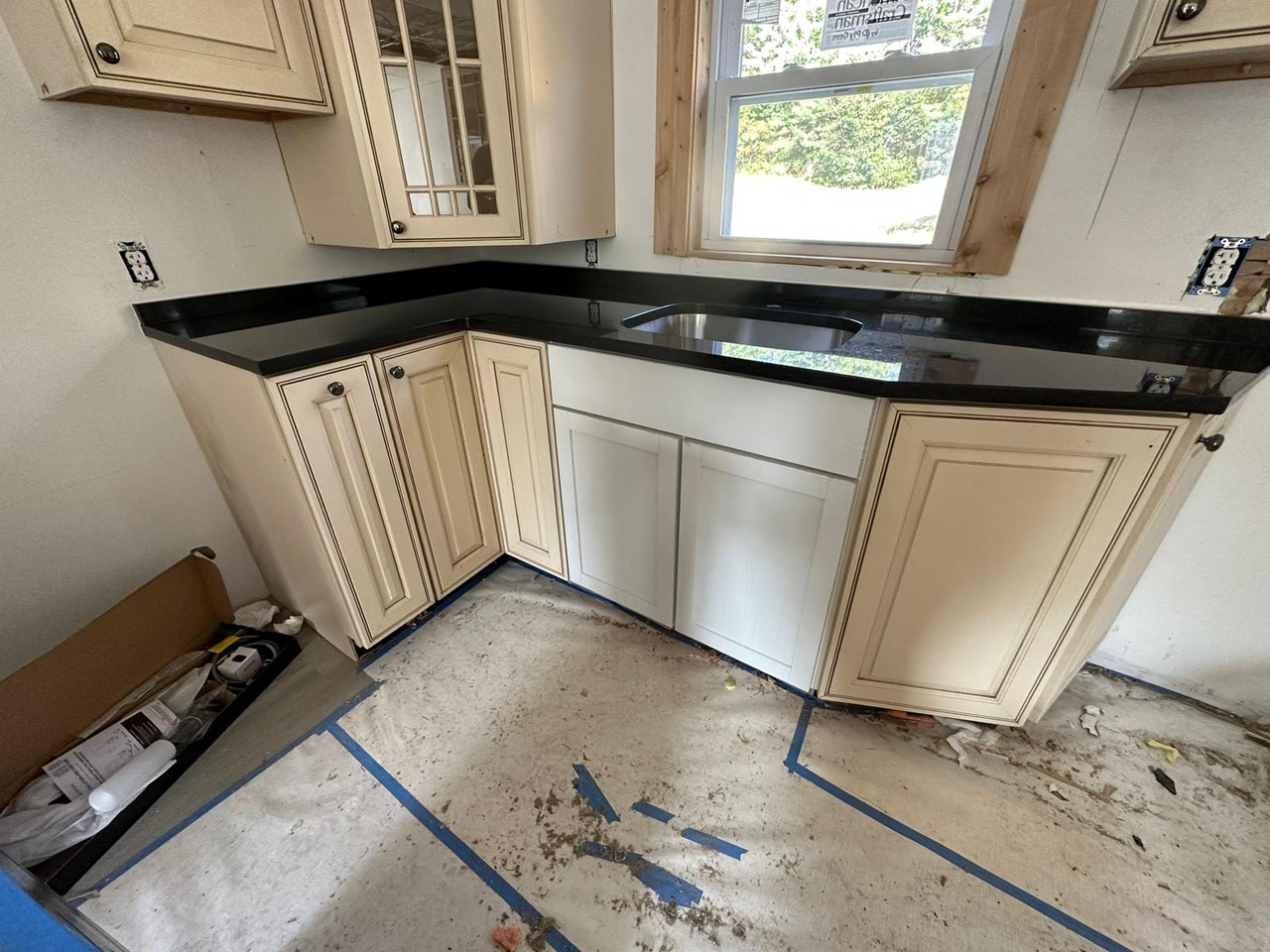
The process includes precise templating, slab selection, and final installation, ensuring that each countertop is crafted to meet the highest standards of quality and design. This personalized approach allows homeowners to achieve their dream countertops with ease. View examples in our portfolio.
Further details on the specific techniques and considerations in custom stone fabrication highlight the precision involved in creating high-quality granite countertops.
Custom Granite Countertop Fabrication Methods
Custom granite countertops for homes and wet methods are used in stone countertop fabrication. The feasibility and effectiveness of local exhaust ventilation in countertop fabrication
Determinant
s of respirable silica exposure in stone countertop fabrication: a preliminary study, ML Phillips, 2013
What Are Essential Maintenance and Care Tips After Installation?
After installation, maintaining your stone countertops is crucial for their longevity. Here are essential care tips for different countertop materials:
- Granite Maintenance: Seal granite periodically (every 1-3 years) to protect against stains.
- Quartz Maintenance: Quartz typically requires no sealing, making it easy to care for.
- Marble Maintenance: Clean spills immediately and apply a sealant every six months to a year.
By following these maintenance guidelines, homeowners can ensure their countertops remain beautiful and functional for years to come.
The importance of proper sealing for both granite and marble is further emphasized by expert recommendations on maintaining these natural stone surfaces.
Sealing & Installing Marble & Granite Countertop Tiles
and application of the materials and methods used to build it. , seal them before grouting with at least two coats of sealer , wall and countertop tiles, among them marble, granite, slate,
Setting Tile: Revised and Updated, 1995
For more information or to schedule a consultation, you can contact us today.
Discover More About Our Services
Explore our extensive portfolio to see examples of our expert craftsmanship and the stunning results we deliver by visiting our portfolio.
Learn about our streamlined buying process designed to make your countertop selection and installation seamless and stress-free by visiting our buying process page.
View Portfolio Understand Buying Process Contact Us
Frequently Asked Questions
What are the environmental impacts of choosing stone countertops?
Choosing stone countertops can have varying environmental impacts depending on the material and sourcing practices. Natural stones like granite and marble are quarried, which can lead to habitat disruption and resource depletion. However, many manufacturers are now adopting sustainable practices, such as using recycled materials or ensuring responsible quarrying. Engineered stones like quartz often have a lower environmental footprint due to their manufacturing processes. Homeowners should consider the lifecycle of the material, including extraction, production, and transportation, when making their choice.
How do I choose the right stone countertop for my kitchen style?
Choosing the right stone countertop for your kitchen style involves considering both aesthetics and functionality. For a modern look, quartz offers a wide range of colors and patterns, while granite provides unique natural variations. If you prefer a classic or luxurious feel, marble can add elegance with its distinctive veining. Additionally, consider the color scheme of your kitchen, the amount of natural light, and how the countertop will complement other materials like cabinetry and flooring. Samples can help visualize how different stones will look in your space. For assistance, visit our contact us page.
What are the cost differences between granite, quartz, and marble countertops?
The cost of stone countertops can vary significantly based on the material, quality, and installation. Generally, granite is priced between $40 to $100 per square foot, while quartz can range from $50 to $150 per square foot due to its engineered nature and design versatility. Marble tends to be the most expensive, often costing between $50 to $200 per square foot, depending on the rarity and quality of the stone. Installation costs should also be factored in, as professional installation is recommended for all types of stone countertops.
Can I install stone countertops myself, or should I hire a professional?
While some homeowners may consider DIY installation for stone countertops, it is generally recommended to hire a professional. Stone countertops are heavy and require precise measurements, cutting, and fitting to ensure a proper installation. Professionals have the necessary tools and expertise to handle the material safely and effectively, minimizing the risk of damage. Additionally, improper installation can lead to issues such as uneven surfaces or cracks, which can be costly to repair. Investing in professional installation ensures a high-quality finish and longevity for your countertops. Contact us for professional installation services.
What are the best cleaning products for maintaining stone countertops?
Maintaining stone countertops requires using the right cleaning products to avoid damage. For granite and quartz, pH-neutral cleaners are ideal, as they won’t harm the surface or strip away any sealant. Avoid acidic or abrasive cleaners, which can etch or scratch the stone. For marble, it’s crucial to use a gentle soap and avoid acidic substances like vinegar or lemon juice, which can damage the finish. Regular cleaning with a soft cloth and warm water is often sufficient to keep your countertops looking pristine.
How do I know if my stone countertop needs sealing?
Determining if your stone countertop needs sealing can be done through a simple water test. Pour a small amount of water on the surface and observe how quickly it absorbs. If the water beads up, the seal is still effective. If it soaks in within 10-15 minutes, it’s time to reseal. Additionally, if you notice stains or discoloration, it may indicate that the sealant has worn off. Regular sealing is essential for porous stones like granite and marble to protect against moisture and stains.
Conclusion
Choosing the right stone countertop material can significantly enhance both the functionality and aesthetics of your home. With options like granite, quartz, and marble, each material offers unique benefits that cater to various design preferences and maintenance needs. Understanding these choices empowers homeowners to make informed decisions that elevate their living spaces. Explore our selection of premium stone countertops today to find the perfect fit for your home. Visit our portfolio to get started or learn more about our buying process. For personalized assistance, contact us.