Premium Countertop Materials: Which One Is Best?
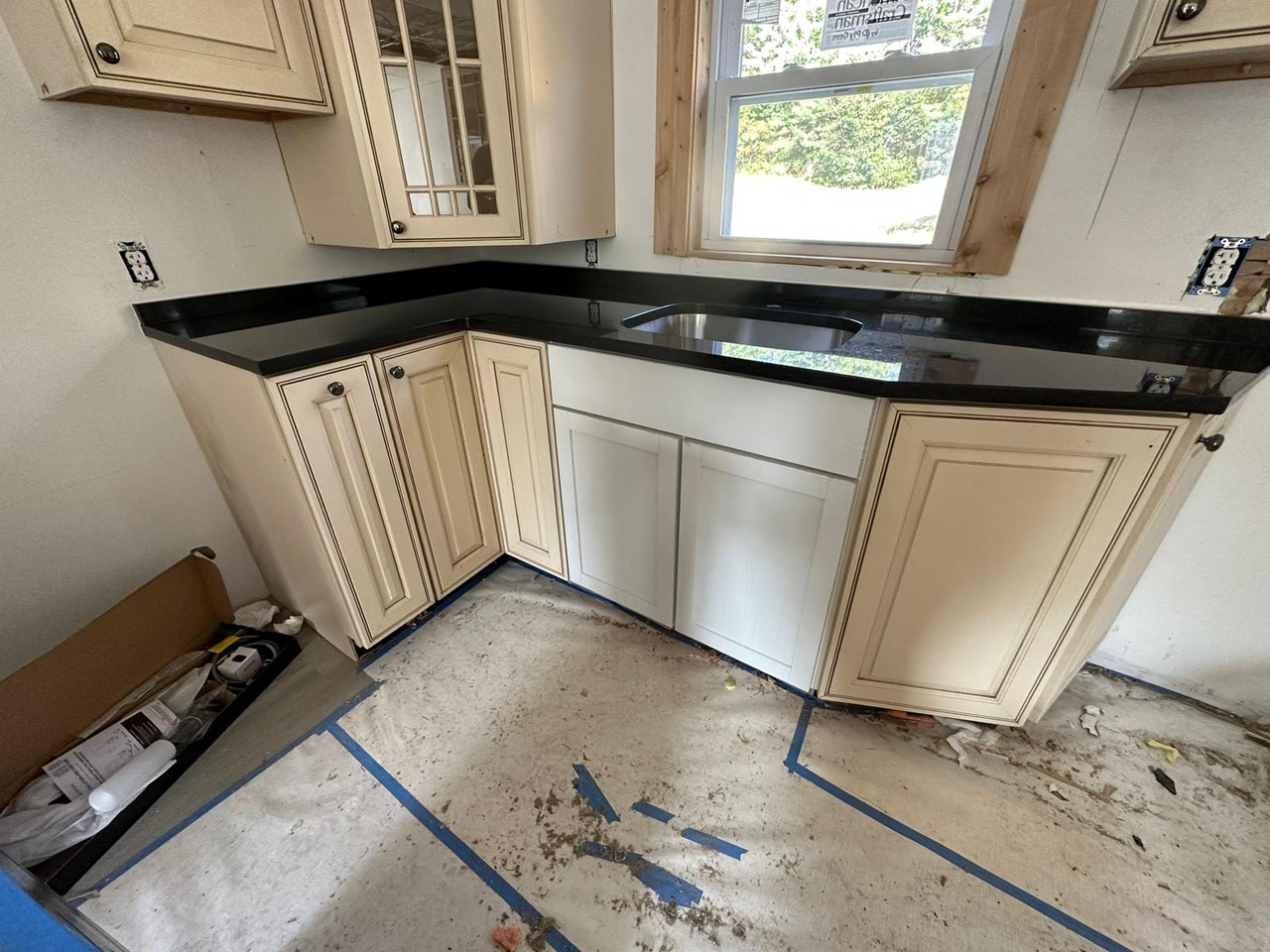
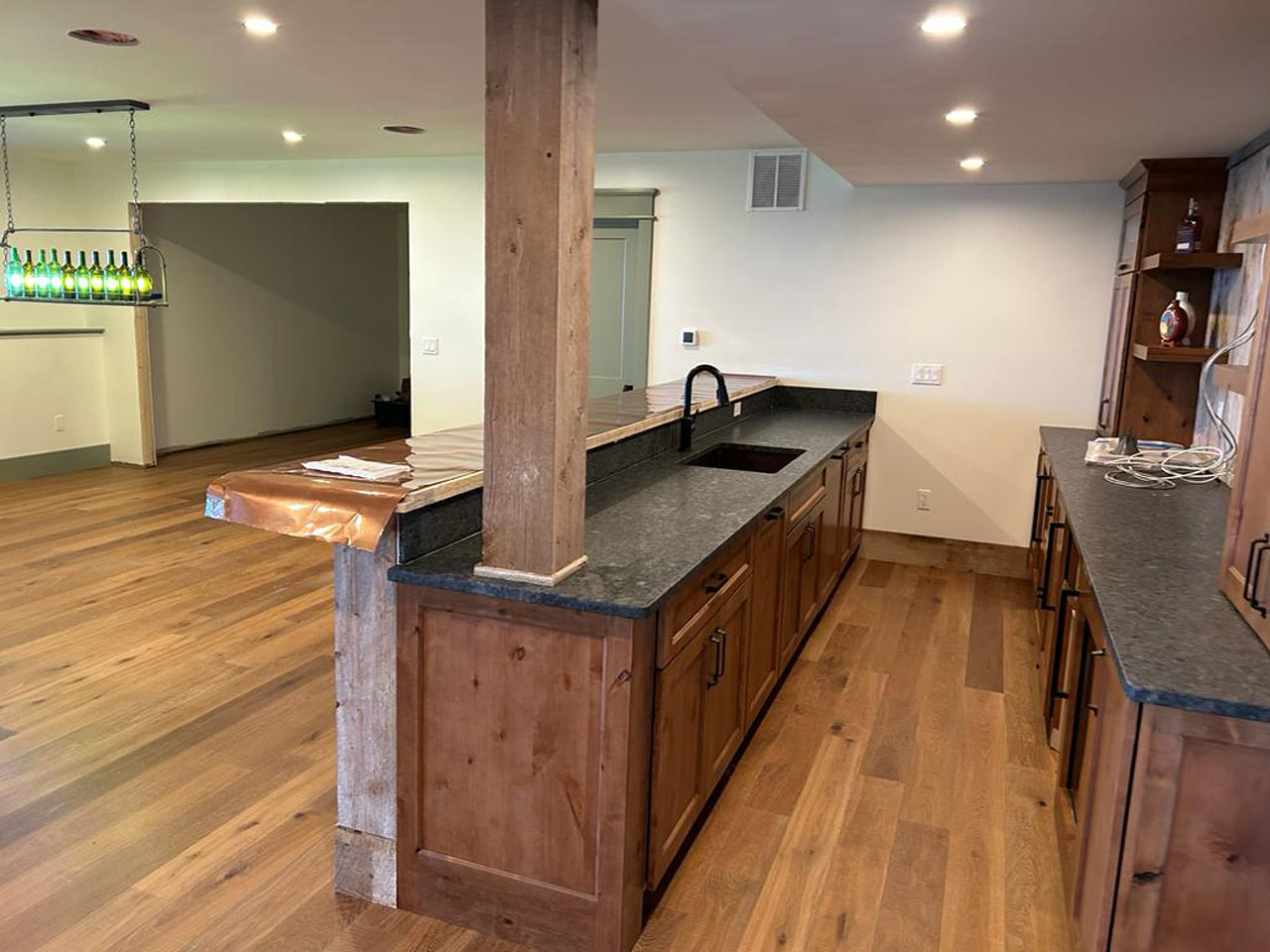
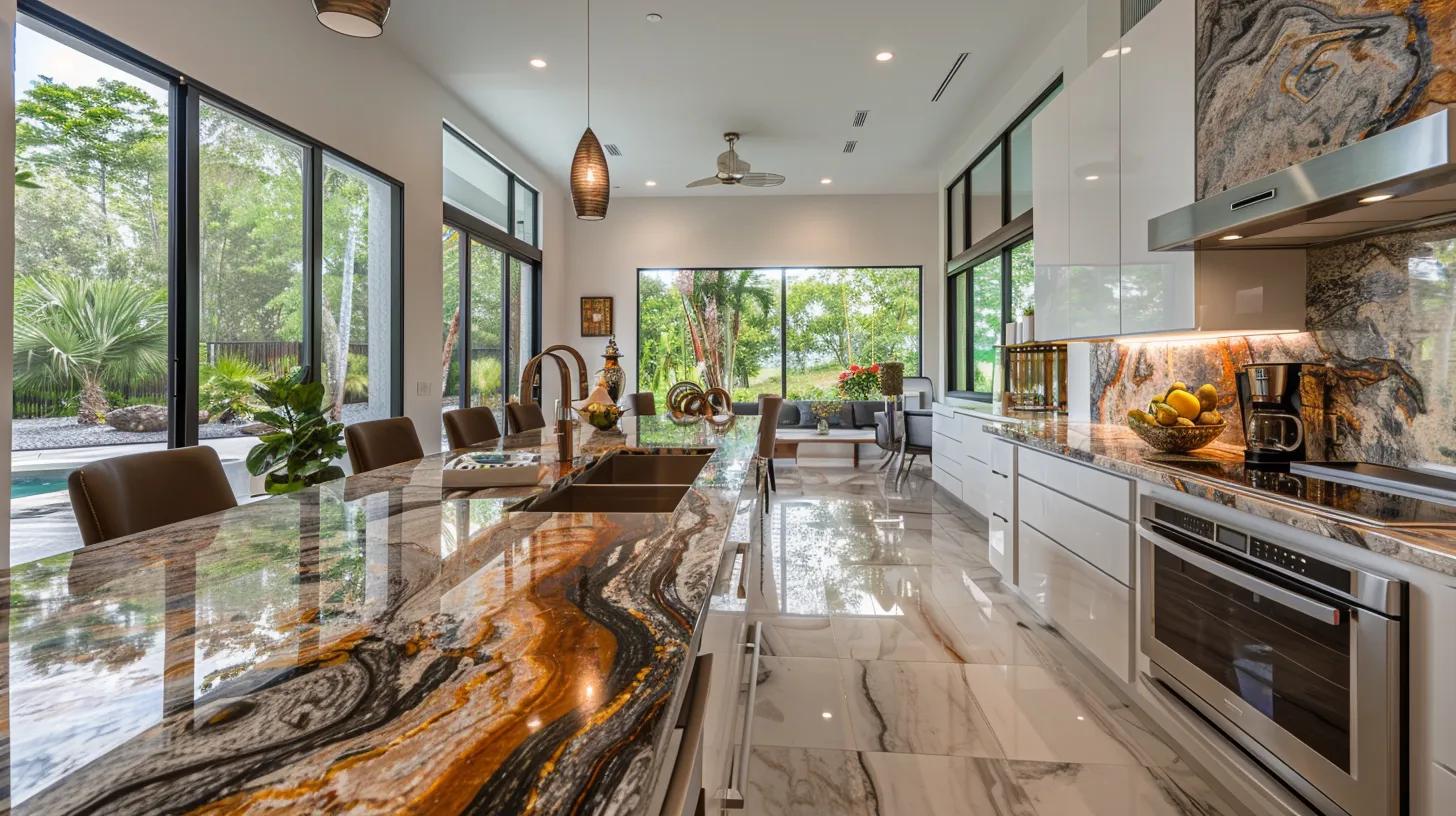
Choosing the right countertop material for your kitchen or bathroom can significantly impact both aesthetics and functionality. With a variety of premium options available, understanding the unique characteristics of each material is essential for making an informed decision. This article will explore the best premium countertop materials, focusing on granite, quartz, and marble, and their respective benefits and drawbacks. Many homeowners face challenges in selecting a material that balances beauty, durability, and maintenance. By examining these factors, you can find the perfect countertop that meets your needs. We will cover the key differences between these materials, their pros and cons, and considerations for installation and maintenance. For inspiration, check out our portfolio to see stunning examples of these materials in real homes.
Key Takeaways
- Granite, quartz, and marble are the top premium countertop materials with distinct durability and maintenance needs.
- Granite is highly durable and heat resistant but requires periodic sealing to prevent stains.
- Quartz is non-porous, stain-resistant, and low maintenance, making it ideal for busy kitchens.
- Marble offers elegant aesthetics but is softer and more prone to scratches and stains than other stones.
- Maintenance for marble includes regular sealing, careful cleaning, and prompt spill management to preserve its appearance.
- Cost varies by material, with granite generally more affordable than quartz and marble being the most expensive.
- Professional installation is recommended for all stone countertops due to their weight and complexity; learn more about the buying and installation process.
- Eco-friendly options include recycled materials and sustainably sourced stone for environmentally conscious homeowners.
- Choosing the best countertop depends on balancing durability, maintenance, cost, and aesthetic preferences.
The best premium countertop materials for kitchens and bathrooms include:
When it comes to premium countertop materials, several options stand out for their beauty and durability. The most popular choices include:
- Granite: Known for its natural beauty and unique patterns, granite is a durable option that can withstand heat and scratches.
- Quartz: Engineered from natural stone and resin, quartz offers a non-porous surface that is resistant to stains and easy to maintain.
- Marble: Renowned for its elegance and timeless appeal, marble is softer than granite and quartz, making it more susceptible to scratches and stains.
These materials not only enhance the visual appeal of kitchens and bathrooms but also provide functional benefits that cater to various lifestyles. Use our kitchen visualizer and bathroom visualizer tools to see how these materials will look in your space.
What Are the Key Differences Between Granite, Quartz, and Marble Countertops?
Granite, quartz, and marble each have distinct characteristics that influence their suitability for different applications. Understanding these differences can help you choose the right material for your space.
Granite is a natural stone that offers exceptional durability, making it ideal for high-traffic areas. Quartz, being engineered, provides a consistent appearance and is easier to maintain. Marble, while beautiful, requires more care due to its porous nature.
Classic Stoneworks specializes in custom stone fabrication and installation, focusing on premium countertop materials such as granite, quartz, and marble. Their expertise ensures that you receive high-quality materials tailored to your specific needs.
What Are the Pros and Cons of Granite Countertops?
Granite countertops come with several advantages and disadvantages that should be considered before making a purchase.
Pros of Granite Countertops
- Natural Beauty: Each slab of granite is unique, offering a variety of colors and patterns that enhance the aesthetic appeal of any space.
- Heat Resistance: Granite can withstand high temperatures, making it suitable for kitchen environments where hot pots and pans are common.
- Durability: With proper care, granite can last a lifetime, resisting scratches and chips.
Cons of Granite Countertops
- Sealing Required: Granite is porous and requires periodic sealing to prevent stains and maintain its appearance.
- Weight: The heavy nature of granite can complicate installation and may require additional support.
- Cost: High-quality granite can be expensive, impacting your overall budget.
How Does Quartz Compare to Granite in Durability and Maintenance?
When comparing quartz to granite, several factors come into play regarding durability and maintenance.
Quartz is engineered to be non-porous, which means it does not require sealing like granite. This characteristic makes quartz more resistant to stains and easier to clean. In terms of durability, both materials are strong, but quartz may have an edge due to its uniform composition, which reduces the risk of chipping.
How Durable Are Marble Countertops for Everyday Use?
Marble countertops are known for their elegance, but their durability is a concern for many homeowners. While marble can withstand everyday use, it is softer than granite and quartz, making it more susceptible to scratches and etching from acidic substances.
The challenge of maintaining marble‘s pristine appearance is further underscored by its susceptibility to various forms of discoloration, including rust stains.
Marble Countertop Rust Stain Removal & Aesthetics
Calcareous materials, like marble used in connection with cultural heritage objects such as statues and pedestals, or as wall facings on buildings, often show a brownish staining owing to contact with iron metal or iron-containing minerals in the stone. The discolouration alters the appearance of the stone, which is undesirable from an aesthetic point of view. Despite rust staining being a conspicuous phenomenon and numerous works that have dealt with the problem of removing rust stains, a simple and non-toxic method has so far been missing.
Eff
ective cleaning of rust stained marble, J Bendix, 2016
Key Considerations for Marble Durability
- Porous Nature: Marble is porous, which means it can absorb liquids and stains if not properly sealed.
- Care Requirements: Regular sealing and careful cleaning are necessary to maintain marble‘s beauty and longevity.
- Longevity: With proper care, marble can last for many years, but it may require more frequent maintenance compared to granite and quartz.
What Maintenance Is Required to Preserve Marble Countertop Quality?
To keep marble countertops looking their best, specific maintenance practices should be followed:
- Regular Cleaning: Use a pH-balanced cleaner to avoid damaging the surface.
- Sealing Frequency: Seal marble countertops every 6-12 months to protect against stains.
- Immediate Spill Management: Wipe up spills promptly to prevent staining, especially from acidic substances like vinegar or citrus.
When Is Marble the Best Choice for Kitchen or Bathroom Surfaces?
Marble is an excellent choice for certain applications, particularly when aesthetics are a priority. Its luxurious appearance makes it ideal for:
- Aesthetic Appeal: Marble adds a touch of elegance and sophistication to any space.
- Design Cohesion: It can complement various design styles, from classic to modern.
- Luxury Focal Points: Marble is often used in high-end renovations to create stunning focal points.
What Are the Typical Costs and Installation Considerations for Stone Countertops?
The cost of stone countertops can vary significantly based on the material, quality, and installation complexity.
Typical Cost Ranges
- Granite: Prices typically range from $40 to $100 per square foot, depending on the quality and source.
- Quartz: Generally priced between $50 and $150 per square foot, quartz can be more expensive due to its engineered nature.
- Marble: Costs for marble can range from $50 to $250 per square foot, influenced by the rarity and quality of the stone.
Installation costs can also vary, with professional installation recommended for all stone types due to their weight and complexity. Learn more about the buying and installation process.
How Does Stone Countertop Installation Cost Vary by Material Type?
The installation cost of stone countertops can differ based on the material type and the complexity of the project.
- Granite Installation: Typically requires precise cutting and support, leading to moderate installation costs.
- Quartz Installation: Often involves less complexity due to its uniformity, which can reduce labor costs.
- Marble Installation: Due to its weight and fragility, marble installation may incur higher labor costs.
What Should You Expect During the Custom Stone Fabrication and Installation Process?
The custom stone fabrication and installation process involves several key steps:
- Initial Consultation: Discuss your needs and preferences with a professional.
- Slab Selection: Choose the perfect slab from a variety of options available in our portfolio.
- Installation Steps: Expect precise measurements, cutting, and fitting to ensure a perfect installation.
Which Stone Countertop Material Offers the Best Value for Quality and Longevity?
When considering value, granite and quartz often stand out due to their durability and lower maintenance requirements. Marble, while beautiful, may not offer the same longevity without significant upkeep.
- Granite: Offers a balance of beauty and durability, making it a popular choice for many homeowners.
- Quartz: Provides excellent value with its low maintenance and consistent appearance.
- Marble: Best for those prioritizing aesthetics over practicality, as it requires more care.
How Do Durability, Maintenance, and Cost Influence the Best Kitchen Countertop Material?
The best kitchen countertop material ultimately depends on your specific needs and lifestyle.
- Durability: If you require a surface that can withstand heavy use, granite or quartz may be the best options.
- Maintenance: For low-maintenance needs, quartz is ideal, while marble requires more attention.
- Cost: Budget considerations will also play a significant role in your decision, with granite often providing the best balance of cost and quality.
Are Eco-Friendly Stone Options Available for Sustainable Countertop Choices?
For environmentally conscious homeowners, eco-friendly stone options are becoming increasingly available. These may include:
- Recycled Materials: Some manufacturers offer countertops made from recycled stone and resin.
- Sustainable Sourcing: Look for companies that prioritize sustainable quarrying practices.
- Environmental Impact: Consider the overall environmental footprint of the materials used.
By understanding the various premium countertop materials available, you can make an informed decision that enhances your kitchen or bathroom while meeting your functional needs. Whether you choose granite, quartz, or marble, each material offers unique benefits that can elevate your space.
To learn more or schedule a consultation, contact us today.
Frequently Asked Questions
1. What factors should I consider when choosing a countertop material?
When selecting a countertop material, consider factors such as durability, maintenance requirements, aesthetic appeal, and cost. Think about how you use your kitchen or bathroom; for high-traffic areas, materials like granite or quartz may be more suitable due to their durability. Additionally, consider the level of maintenance you are willing to commit to, as some materials, like marble, require more care. Finally, budget constraints will also play a significant role in your decision-making process.
2. How can I ensure my granite countertops last longer?
To extend the lifespan of your granite countertops, regular maintenance is key. This includes sealing the surface every 6 to 12 months to prevent stains and maintain its appearance. Additionally, avoid using harsh chemicals or abrasive cleaners that can damage the surface. Always use cutting boards to prevent scratches and wipe up spills promptly to avoid staining. With proper care, granite can last a lifetime, retaining its beauty and functionality.
3. Are there any alternatives to traditional stone countertops?
Yes, there are several alternatives to traditional stone countertops. Options include solid surface materials like Corian, which offer a seamless appearance and are easy to maintain. Laminate countertops are another budget-friendly choice, available in various colors and patterns. Additionally, recycled materials and eco-friendly options are gaining popularity, providing sustainable choices without compromising on style. Each alternative has its pros and cons, so consider your specific needs and preferences when exploring these options.
4. What are the best practices for cleaning quartz countertops?
Cleaning quartz countertops is straightforward due to their non-porous nature. Use a mild dish soap mixed with warm water and a soft cloth or sponge for regular cleaning. Avoid harsh chemicals and abrasive pads, as they can damage the surface. For tougher stains, a mixture of baking soda and water can be effective. Always wipe up spills promptly, especially from acidic substances, to maintain the countertop’s appearance and longevity.
5. How do I choose the right color and pattern for my countertop?
Choosing the right color and pattern for your countertop involves considering your overall design scheme and personal style. Look at the colors of your cabinets, flooring, and walls to find complementary or contrasting options. If you prefer a timeless look, neutral colors like white, gray, or beige are versatile choices. For a bolder statement, consider vibrant colors or unique patterns. It’s also helpful to view samples in your space to see how they interact with lighting and other elements. Use our kitchen visualizer and bathroom visualizer to experiment with different options.
6. What should I know about the installation process for stone countertops?
The installation process for stone countertops typically involves several steps, including consultation, measurement, and fabrication. After selecting your material, professionals will take precise measurements of your space to ensure a perfect fit. The stone will then be cut and polished according to your specifications. Installation requires careful handling due to the weight of the materials, and it’s recommended to hire experienced professionals to ensure a seamless and secure installation. Learn more about the buying and installation process.
7. Can I use marble for kitchen countertops, or is it better suited for bathrooms?
While marble is often associated with bathrooms due to its elegance, it can also be used in kitchens. However, it’s important to consider its softer nature, which makes it more prone to scratches and stains compared to granite or quartz. If you choose marble for a kitchen, be prepared for more maintenance, including regular sealing and careful cleaning. For high-use areas, it may be better to reserve marble for decorative applications or less frequently used surfaces.
Conclusion
Choosing the right premium countertop material can transform your kitchen or bathroom, enhancing both beauty and functionality. Each option—granite, quartz, and marble—offers unique benefits tailored to different lifestyles and preferences. By understanding these materials, you can make an informed decision that meets your aesthetic and practical needs. For personalized assistance in selecting the perfect countertop, reach out to us today.