Eco-Friendly Countertops That Transform Your Kitchen
In today’s environmentally conscious world, the choice of kitchen countertops plays a significant role in sustainable living. Eco-friendly countertops not only enhance the aesthetic appeal of your kitchen but also contribute to reducing your carbon footprint. This article explores various sustainable kitchen countertop materials, their benefits, and how they can transform your cooking space into a greener environment. Readers will learn about the best sustainable materials, the comparison between recycled and natural stone options, and the advantages of custom fabrication. By understanding these elements, homeowners can make informed decisions that align with their values of sustainability and style.
Key Takeaways
- Eco-friendly countertops reduce environmental impact while enhancing kitchen aesthetics and supporting sustainable living.
- Popular sustainable materials include recycled glass, bamboo, reclaimed wood, recycled quartz, and paper composite.
- Recycled stone countertops offer durability and lower environmental impact compared to natural stone options.
- Custom fabrication minimizes waste and allows tailored, high-quality eco-friendly countertop designs.
- Expert craftsmanship ensures durable, precise, and long-lasting kitchen surfaces made from sustainable materials.
- Regional sourcing of materials reduces carbon footprint by minimizing transportation emissions.
- Certifications like LEED and GREENGUARD verify the environmental and health benefits of green countertop materials.
- Proper maintenance with mild cleaners and prompt spill cleanup preserves the beauty and longevity of eco-friendly countertops.
- Eco-friendly countertops provide comparable lifespan and durability to traditional options while supporting environmental goals.
What Are the Best Sustainable Kitchen Countertop Materials?
Sustainable kitchen countertops are made from materials that minimize environmental impact while providing durability and style. Here are some of the best options available:
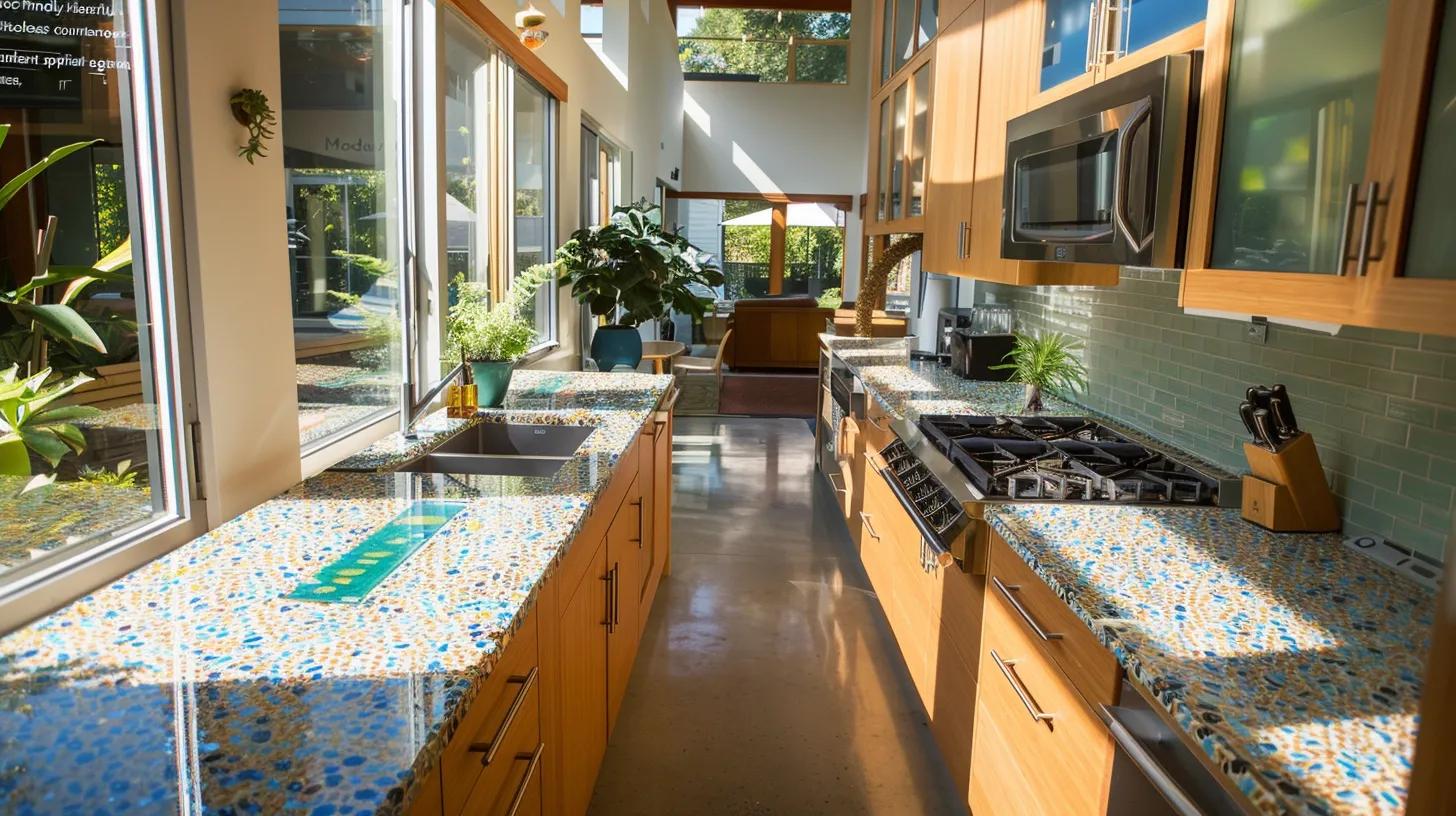
- Recycled Glass Countertops: Made from post-consumer glass, these countertops are not only visually striking but also reduce landfill waste.
- Bamboo Countertops: Bamboo is a rapidly renewable resource that offers a unique look and is highly durable.
- Reclaimed Wood Countertops: Utilizing salvaged wood reduces deforestation and adds character to your kitchen.
- Recycled Quartz Countertops: Composed of up to 90% recycled materials, these countertops combine beauty with sustainability.
- Paper Composite Countertops: Made from recycled paper and resin, these surfaces are eco-friendly and versatile.
Classic Stoneworks specializes in high-quality stone surfaces, including eco-friendly options that can elevate your kitchen’s design while being kind to the planet.
How Do Recycled Stone Countertops Compare to Natural Stone Eco Options?
Recycled stone countertops offer a sustainable alternative to traditional natural stone. The comparison between these two options can be summarized as follows:
Recycled stone countertops not only help in conserving natural resources but also provide a unique aesthetic that can mimic the look of natural stone. Understanding these differences can guide homeowners in making eco-conscious choices for their kitchens.
A study further elaborates on the significant environmental benefits of utilizing recycled aggregates over natural ones, particularly concerning energy consumption and CO2 emissions.
Environmental Impact of Natural vs. Recycled Aggregates
The first scenario considers the production of NA, the second scenario deals with the production of recycled aggregates (RA) with respect to construction and demolition waste, and the third scenario, which is a hybrid scenario, handles the combination of NA and RA by assuming a 50% mixing percentage. In this research, we assess the environmental impacts on the production of aggregates via each scenario, using life cycle assessment; in addition, energy consumption and CO2emissions are considered as the environmental variables. We conclude that Iran’s current policy with an annual energy consumption of 1.48 million tons of oil equivalent (toe) can have a footprint of 2.88 million tons of CO2eq emissions per year (the first scenario). Achieving 30 and 36% reduction in annual energy consumption and CO2emissions, respectively, by the third scenario compared to the first scenario indicates the destructive effect of the first scenario from the environmental outlook.
Production of natural and recycled aggregates: the environmental impacts of energy consumption and CO2 emissions, M Ghanbari, 2018
Which Green Countertop Materials Offer Durability and Aesthetic Appeal?
When selecting eco-friendly countertops, durability and aesthetics are crucial factors. Here are some materials that excel in both areas:
- Recycled Quartz: Offers a wide range of colors and patterns while being highly resistant to stains and scratches.
- Bamboo: Known for its strength and unique grain patterns, bamboo is both stylish and sustainable.
- Reclaimed Wood: Provides a rustic charm and is incredibly durable when properly maintained.
These materials not only enhance the visual appeal of your kitchen but also ensure longevity, making them a smart investment for eco-conscious homeowners.
How Does Custom Fabrication Enhance Eco-Friendly Countertop Quality?
Custom fabrication allows for tailored solutions that meet specific design needs while maximizing the use of sustainable materials. This process involves:
- Tailored Solutions: Custom countertops can be designed to fit unique kitchen layouts, minimizing waste during production.
- Unique Designs: Homeowners can choose from a variety of eco-friendly materials and finishes, ensuring their countertops reflect personal style.
- Quality Assurance: Skilled craftsmen ensure that each piece is made to the highest standards, enhancing durability and longevity.
Classic Stoneworks offers expert custom stone fabrication services, allowing you to create a kitchen that is both beautiful and environmentally friendly.
What Is the Step-by-Step Process of Sustainable Stone Fabrication?
The process of sustainable stone fabrication involves several key steps:
- Initial Consultation: Discuss your design preferences and sustainability goals with a professional.
- Material Selection: Choose from a range of eco-friendly materials that suit your style and budget, including options like quartz, granite, and marble.
- Design and Fabrication: Skilled artisans create your custom countertops, ensuring minimal waste and maximum quality.
- Final Installation: The finished product is installed in your kitchen, ready to enhance your space.
This comprehensive approach ensures that every aspect of the countertop is designed with sustainability in mind.
How Does Expert Craftsmanship Ensure Long-Lasting Kitchen Surfaces?
Expert craftsmanship is essential for creating durable kitchen surfaces. Skilled artisans employ techniques that enhance the quality and longevity of countertops, including:
- Precision Cutting: Ensures a perfect fit and reduces material waste.
- Quality Materials: Using high-quality, sustainable materials guarantees durability.
- Attention to Detail: Meticulous finishing touches enhance both aesthetics and functionality.
By investing in expert craftsmanship, homeowners can enjoy beautiful, long-lasting countertops that contribute to a sustainable kitchen environment.
What Are the Key Benefits of Environmentally Friendly Kitchen Surfaces in New England?
In New England, the benefits of eco-friendly kitchen surfaces are particularly significant:
- Reduced Environmental Impact: Sustainable materials help preserve local ecosystems and reduce waste.
- Healthier Indoor Air Quality: Many eco-friendly materials are free from harmful chemicals, improving indoor air quality.
- Durability and Longevity: High-quality sustainable surfaces are designed to last, reducing the need for frequent replacements.
These advantages make eco-friendly countertops an excellent choice for homeowners looking to create a healthier and more sustainable living space.
How Does Regional Sourcing Reduce Carbon Footprint for Countertops?
Regional sourcing of materials significantly reduces the carbon footprint associated with countertop production. By sourcing locally, the transportation emissions are minimized, leading to a more sustainable product. This practice not only supports local economies but also ensures that the materials used are well-suited to the local climate and conditions.
What Sustainability Certifications Verify Green Countertop Materials?
Several certifications can help verify the sustainability of countertop materials:
- LEED Certification: Indicates that materials meet strict environmental standards.
- GREENGUARD Certification: Ensures that products have low chemical emissions, contributing to healthier indoor air quality.
These certifications provide assurance to consumers that the materials they choose are genuinely eco-friendly.
How Should You Maintain and Care for Eco-Friendly Stone Countertops?
Maintaining eco-friendly stone countertops is essential for their longevity. Here are some tips for proper care:
- Regular Cleaning: Use mild soap and water to clean surfaces regularly.
- Avoid Harsh Chemicals: Steer clear of abrasive cleaners that can damage the surface.
- Prompt Spill Cleanup: Wipe up spills immediately to prevent staining.
By following these maintenance tips, homeowners can ensure their eco-friendly countertops remain beautiful and functional for years to come.
What Are the Recommended Cleaning Practices for Sustainable Kitchen Surfaces?
To keep sustainable kitchen surfaces in top condition, consider these cleaning practices:
- Use Mild Cleaners: Opt for eco-friendly cleaning products that are safe for both the environment and your countertops.
- Immediate Spill Cleanup: Address spills quickly to avoid potential staining or damage.
- Avoid Abrasive Products: Steer clear of scrubbers that can scratch the surface.
Implementing these practices will help maintain the integrity and appearance of your eco-friendly countertops.
How Durable Are Recycled Stone Countertops Over Time?
Recycled stone countertops are designed to be durable and withstand the rigors of daily use. They typically offer:
- Long-Term Performance: With proper care, these surfaces can last for many years without significant wear.
- Maintenance Requirements: Regular cleaning and occasional sealing can enhance their longevity.
By choosing recycled stone, homeowners can enjoy a beautiful and resilient countertop that aligns with their sustainability goals.
For more information or to schedule a consultation, contact us today.
Frequently Asked Questions
What are the environmental benefits of using eco-friendly countertops?
Eco-friendly countertops significantly reduce environmental impact by utilizing sustainable materials that minimize waste and pollution. For instance, materials like recycled glass and reclaimed wood help divert waste from landfills and reduce the need for new resources. Additionally, many eco-friendly options are produced with lower energy consumption, leading to reduced carbon emissions. By choosing these materials, homeowners contribute to a healthier planet while enjoying durable and stylish surfaces in their kitchens.
How can I ensure the sustainability of my countertop materials?
To ensure the sustainability of your countertop materials, look for certifications such as LEED and GREENGUARD, which indicate adherence to strict environmental standards. Additionally, consider sourcing materials locally to reduce transportation emissions. Research the manufacturing processes of the materials to confirm they are produced with minimal environmental impact. Engaging with suppliers who prioritize sustainability can also help you make informed choices that align with your eco-friendly goals.
What is the lifespan of eco-friendly countertops compared to traditional options?
Eco-friendly countertops, such as those made from recycled materials or sustainably sourced wood, often have comparable lifespans to traditional options. For example, recycled quartz and bamboo can last for decades with proper care. While some natural stones may also offer longevity, they often come with a higher environmental cost due to quarrying. By choosing eco-friendly options, homeowners can enjoy durable surfaces that align with their sustainability values without sacrificing quality.
Are there any specific design trends for eco-friendly kitchen countertops?
Yes, there are several design trends emerging for eco-friendly kitchen countertops. Popular trends include the use of bold colors and patterns in recycled glass countertops, which can serve as statement pieces. Additionally, the rustic charm of reclaimed wood is gaining traction, offering a warm, inviting aesthetic. Minimalist designs that emphasize natural textures and finishes are also on the rise, allowing homeowners to create stylish yet sustainable kitchens that reflect their personal tastes. You can explore design ideas using the kitchen visualizer and bathroom visualizer tools.
How do I choose the right eco-friendly countertop for my kitchen style?
Choosing the right eco-friendly countertop involves considering both your kitchen’s style and your functional needs. Start by assessing the overall aesthetic of your kitchen—whether it’s modern, rustic, or traditional. Then, explore materials that complement that style, such as sleek recycled quartz for a contemporary look or warm reclaimed wood for a cozy feel. Additionally, consider durability and maintenance requirements to ensure the countertop meets your lifestyle needs while aligning with your sustainability goals.
What are the common misconceptions about eco-friendly countertops?
One common misconception is that eco-friendly countertops lack durability compared to traditional options. In reality, many sustainable materials, like recycled quartz and bamboo, are highly durable and can withstand daily use. Another misconception is that eco-friendly options are significantly more expensive; while some may have a higher upfront cost, their longevity and reduced maintenance can lead to savings over time. Educating yourself about the benefits and performance of these materials can help dispel these myths.
Conclusion
Choosing eco-friendly countertops not only enhances the beauty of your kitchen but also significantly reduces your environmental impact. By opting for sustainable materials like recycled glass and reclaimed wood, you can enjoy durable surfaces that align with your values of sustainability and style. Explore our range of eco-friendly options to find the perfect fit for your home. Start your journey towards a greener kitchen today!