Local Countertop Suppliers: Find the Best Custom Stone Countertops Near You
Finding the right local countertop supplier can significantly enhance your home renovation or construction project. With a variety of materials available, including granite, marble, and quartz, understanding your options is crucial. This article will guide you through the benefits of these materials, how to choose the right one for your kitchen or bathroom, and the fabrication and installation processes involved. By the end, you’ll be equipped with the knowledge to make an informed decision and find the best custom stone countertops near you.
Key Takeaways
- Local countertop suppliers offer granite, marble, and quartz, each with unique benefits and maintenance needs.
- Granite is durable and heat-resistant, making it ideal for kitchen countertops.
- Marble provides elegant aesthetics but requires more maintenance due to its porous nature.
- Quartz is a low-maintenance engineered stone with a non-porous surface that resists stains and bacteria.
- The custom fabrication process includes consultation, templating, cutting, shaping, and professional installation. Learn more about the buying process.
- Professional installation ensures precise measurements, expert handling, and timely completion of countertop projects.
- Pricing varies based on material quality, thickness, custom features, and labor complexity.
- Regular cleaning, sealing porous stones, and avoiding harsh chemicals help maintain stone countertop longevity.
- Choosing the right stone depends on design goals, budget, and maintenance preferences for kitchens or bathrooms. Use the kitchen visualizer and bathroom visualizer tools to explore options.
Which Stone Materials Are Offered by Local Countertop Suppliers?
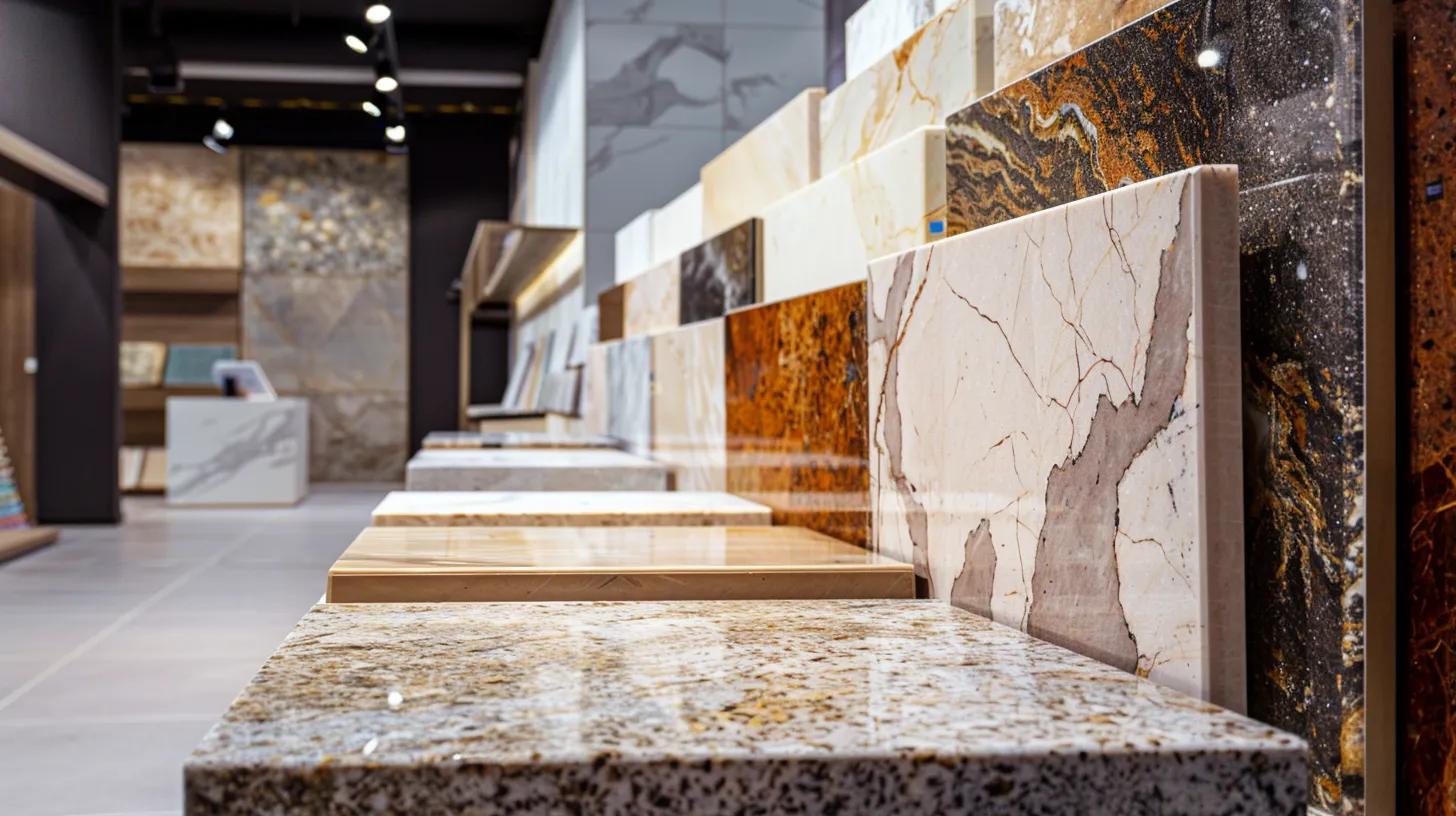
Local countertop suppliers typically offer a range of stone materials, each with unique characteristics and applications. The most common options include:
- Granite: Known for its durability and resistance to scratches and heat, granite is a popular choice for kitchen countertops.
- Marble: Valued for its aesthetic appeal, marble offers a luxurious look but requires more maintenance due to its porous nature.
- Quartz: An engineered stone, quartz combines natural stone with resin, providing a non-porous surface that is easy to maintain.
These materials not only enhance the beauty of your space but also provide functional benefits that cater to various needs. View examples in the portfolio to see these materials in real projects.
What Are the Benefits of Granite, Marble, and Quartz Countertops?
Each stone material offers distinct advantages that can influence your choice. Here’s a breakdown of the benefits:
Granite countertops are particularly valued for their durability, making them suitable for high-traffic areas. Marble, on the other hand, is often chosen for its stunning visual appeal, perfect for creating a statement in bathrooms or kitchens. Quartz countertops provide a practical solution with their low maintenance requirements, making them a favorite among busy homeowners.
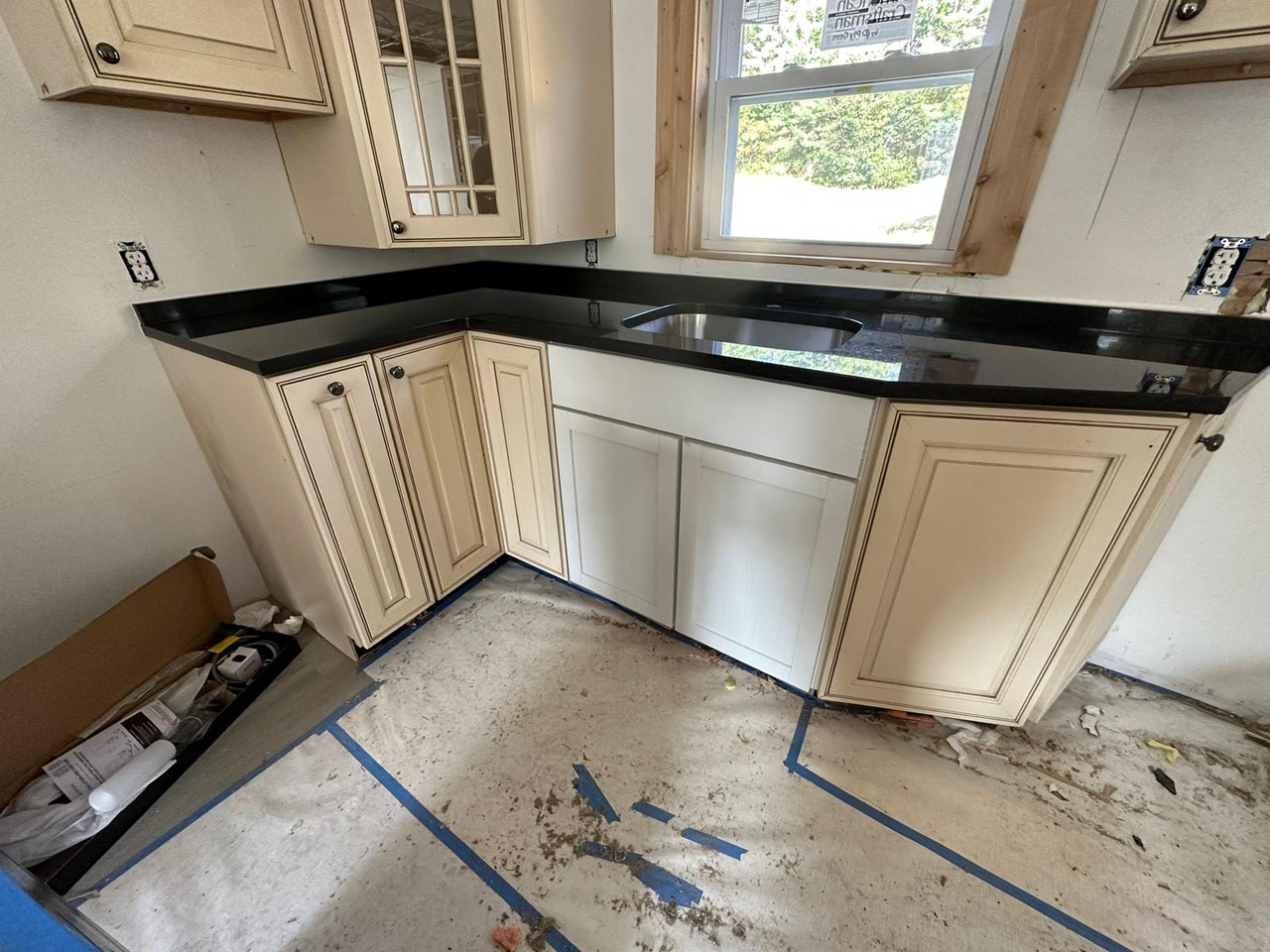
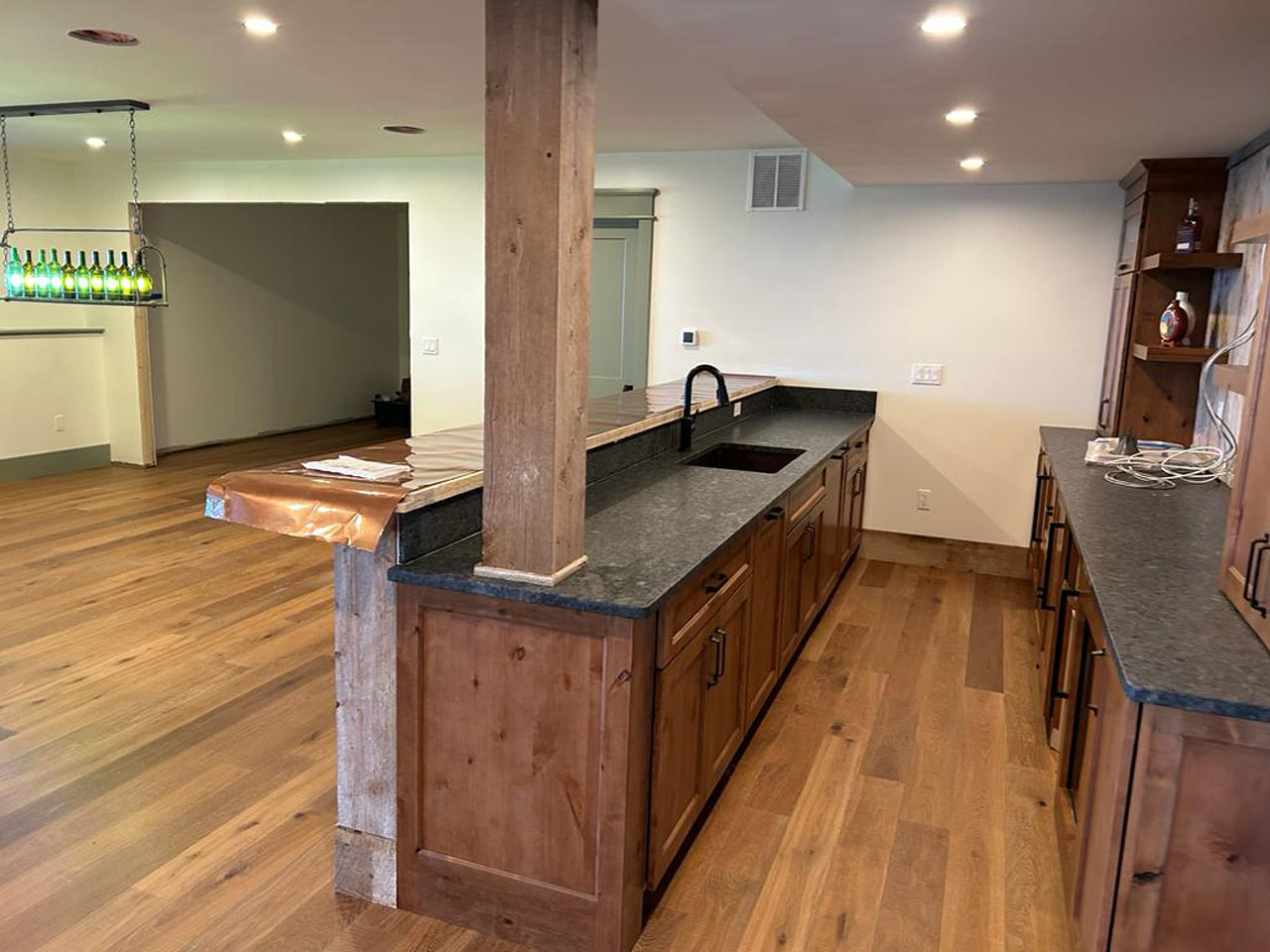
Classic Stoneworks specializes in custom stone fabrication and installation services, focusing on natural stone countertops, including granite, marble, and quartz. Their expertise ensures that you receive high-quality products tailored to your specific needs.
How to Choose the Right Stone Material for Your Kitchen or Bathroom?
Selecting the right stone material involves considering several factors, including your design goals, budget, and maintenance preferences. Here are some key points to guide your decision:
- Design Goals: Consider the overall aesthetic you want to achieve. Granite offers a rugged look, while marble provides a classic elegance.
- Budget: Different materials come with varying price points. Granite is generally more affordable than marble, which can be more expensive due to its luxurious appeal.
- Maintenance: Think about how much time you are willing to invest in upkeep. Quartz is the easiest to maintain, while marble requires more care to prevent staining.
Classic Stoneworks can assist you in selecting the perfect stone material that aligns with your vision and practical needs.
How Does the Custom Stone Countertop Fabrication Process Work?
The fabrication process for custom stone countertops involves several critical steps to ensure precision and quality. Initially, a consultation is conducted to understand your requirements and preferences. This is followed by:
- Material Selection: Choosing the right stone based on your needs.
- Templating: Creating a template of your countertop layout to ensure a perfect fit.
- Fabrication: Cutting and shaping the stone to your specifications.
- Installation: Professional installation to guarantee a seamless finish.
This meticulous process ensures that your countertops not only look stunning but also fit perfectly within your space. Learn more about the buying process.
What Steps Are Involved in Fabricating Granite and Quartz Countertops?
Fabricating granite and quartz countertops involves specific steps that ensure quality and precision:
- Initial Consultation: Discussing your needs and preferences with a professional.
- Material Selection: Choosing the right stone based on aesthetics and functionality.
- Templating: Accurately measuring your space to create a precise template.
- Cutting and Shaping: Using specialized tools to cut the stone to the desired dimensions.
- Installation: Expertly installing the countertop to ensure a perfect fit and finish.
Each step is crucial in delivering a high-quality product that meets your expectations.
How Do Local Suppliers Ensure Quality and Craftsmanship?
Local suppliers maintain quality and craftsmanship through rigorous inspection processes and skilled craftsmanship. They often employ experienced fabricators who understand the nuances of working with different stone materials. Additionally, customer feedback plays a vital role in refining their processes and ensuring satisfaction.
By prioritizing quality, local suppliers can deliver countertops that not only meet but exceed customer expectations. See examples in the portfolio.
What Should You Expect from Professional Kitchen and Bathroom Countertop Installation?
When hiring professionals for countertop installation, you can expect a seamless process characterized by:
- Precision: Expert installers ensure that every measurement is accurate for a perfect fit.
- Expertise: Skilled professionals handle the installation with care, minimizing the risk of damage.
- Timeliness: Most installations are completed within a specified timeframe, allowing you to enjoy your new countertops without unnecessary delays.
Understanding these aspects can help you prepare for the installation process and set realistic expectations.
How Is the Installation Process Managed by Local Experts?
Local experts manage the installation process through careful planning and execution. They begin with templating to ensure accuracy, followed by the actual installation, which includes:
- Quality Assurance: Ensuring that the installation meets high standards.
- Customer Communication: Keeping you informed throughout the process.
- Post-Installation Care: Providing guidance on how to maintain your new countertops.
This structured approach ensures a smooth installation experience and high-quality results.
What Are the Typical Timelines and Preparation Requirements?
The timeline for countertop installation can vary based on several factors, including the complexity of the project and the materials chosen. Typically, you can expect:
- Consultation and Design: 1-2 weeks for initial discussions and design finalization.
- Fabrication: 1-3 weeks, depending on the material and complexity.
- Installation: Usually completed within a day, but preparation may require additional time.
Preparation for installation may include clearing the workspace and ensuring that plumbing and electrical work are completed beforehand.
How Can You Evaluate Pricing and Maintenance for Stone Countertops?
Evaluating pricing and maintenance for stone countertops involves understanding the factors that influence costs and the upkeep required. Key considerations include:
- Material Choice: Different stones have varying price points, with granite generally being more affordable than marble.
- Labor Costs: Installation costs can vary based on the complexity of the project and the expertise of the installers.
- Maintenance Needs: Some materials require more upkeep than others, impacting long-term costs.
By considering these factors, you can make a more informed decision regarding your countertop investment.
What Are Common Pricing Factors for Granite, Marble, and Quartz?
When evaluating the pricing of granite, marble, and quartz countertops, consider the following factors:
- Material Quality: Higher quality stones typically come at a premium price.
- Thickness: Thicker slabs may cost more due to the increased material used.
- Custom Features: Additional features like edge treatments or custom cuts can increase the overall cost.
Understanding these pricing factors can help you budget effectively for your countertop project.
What Maintenance Tips Ensure Longevity of Stone Surfaces?
To ensure the longevity of your stone surfaces, consider the following maintenance tips:
- Regular Cleaning: Use a mild soap and water solution to clean surfaces regularly.
- Sealing: Apply a sealant to porous stones like granite and marble to prevent staining.
- Avoid Harsh Chemicals: Steer clear of abrasive cleaners that can damage the surface.
By following these maintenance tips, you can keep your countertops looking beautiful for years to come.
For more information on local countertop suppliers, Classic Stoneworks offers a wide range of options to suit your needs.
Frequently Asked Questions
What are the differences between granite, marble, and quartz in terms of durability?
Granite is renowned for its exceptional durability, making it highly resistant to scratches and heat, which is ideal for kitchen environments. Marble, while beautiful, is softer and more prone to scratching and staining, requiring more maintenance. Quartz, being an engineered stone, offers a non-porous surface that resists stains and bacteria, making it a practical choice for busy households. Each material has its strengths, so the best choice depends on your specific needs and lifestyle.
How can I ensure that my stone countertops are properly sealed?
To ensure your stone countertops are properly sealed, first, choose a high-quality sealant suitable for the specific type of stone. Clean the surface thoroughly to remove any dirt or residue before applying the sealant. Follow the manufacturer’s instructions for application, typically using a cloth or sponge to spread the sealant evenly. Allow it to dry completely before using the countertop. Regularly check for signs of wear and reapply the sealant as needed, usually every 1-3 years, depending on the stone type.
What are the environmental impacts of choosing natural stone countertops?
Choosing natural stone countertops can have both positive and negative environmental impacts. On the positive side, natural stone is a durable, long-lasting material that can reduce the need for replacements. However, the extraction and transportation of stone can contribute to environmental degradation and carbon emissions. To minimize impact, consider sourcing locally produced stone and selecting suppliers who prioritize sustainable practices, such as responsible quarrying and eco-friendly transportation methods.
Are there any health concerns associated with stone countertops?
Generally, stone countertops like granite, marble, and quartz are safe for use in kitchens and bathrooms. However, some concerns may arise from the dust generated during fabrication and installation, which can contain silica. Prolonged exposure to silica dust can pose health risks, so it’s essential to ensure that proper safety measures are taken during installation. Additionally, ensure that any sealants or adhesives used are low in volatile organic compounds (VOCs) to maintain indoor air quality.
What are the best practices for cleaning and maintaining quartz countertops?
To clean and maintain quartz countertops, use a mild soap and warm water solution with a soft cloth or sponge. Avoid harsh chemicals and abrasive cleaners, as they can damage the surface. For tough stains, a mixture of baking soda and water can be effective. It’s also important to wipe up spills promptly to prevent staining, although quartz is non-porous and resistant to most stains. Regularly check for any signs of wear and consult your supplier for specific maintenance recommendations.
How do I choose the right edge profile for my stone countertops?
Choosing the right edge profile for your stone countertops involves considering both aesthetics and functionality. Popular edge profiles include straight, beveled, and bullnose, each offering a different look. A thicker edge can provide a more substantial appearance, while a thinner edge may create a sleek, modern feel. Additionally, consider how the edge will interact with your cabinetry and appliances. Consulting with your countertop supplier can help you select an edge profile that complements your overall design vision.
Conclusion
Choosing the right local countertop supplier can transform your home with stunning custom stone surfaces that enhance both beauty and functionality. Understanding the unique benefits of materials like granite, marble, and quartz empowers you to make informed decisions tailored to your needs. For expert guidance and a wide selection of premium options, reach out to Classic Stoneworks today. Elevate your space with the perfect countertops that reflect your style and practical requirements.