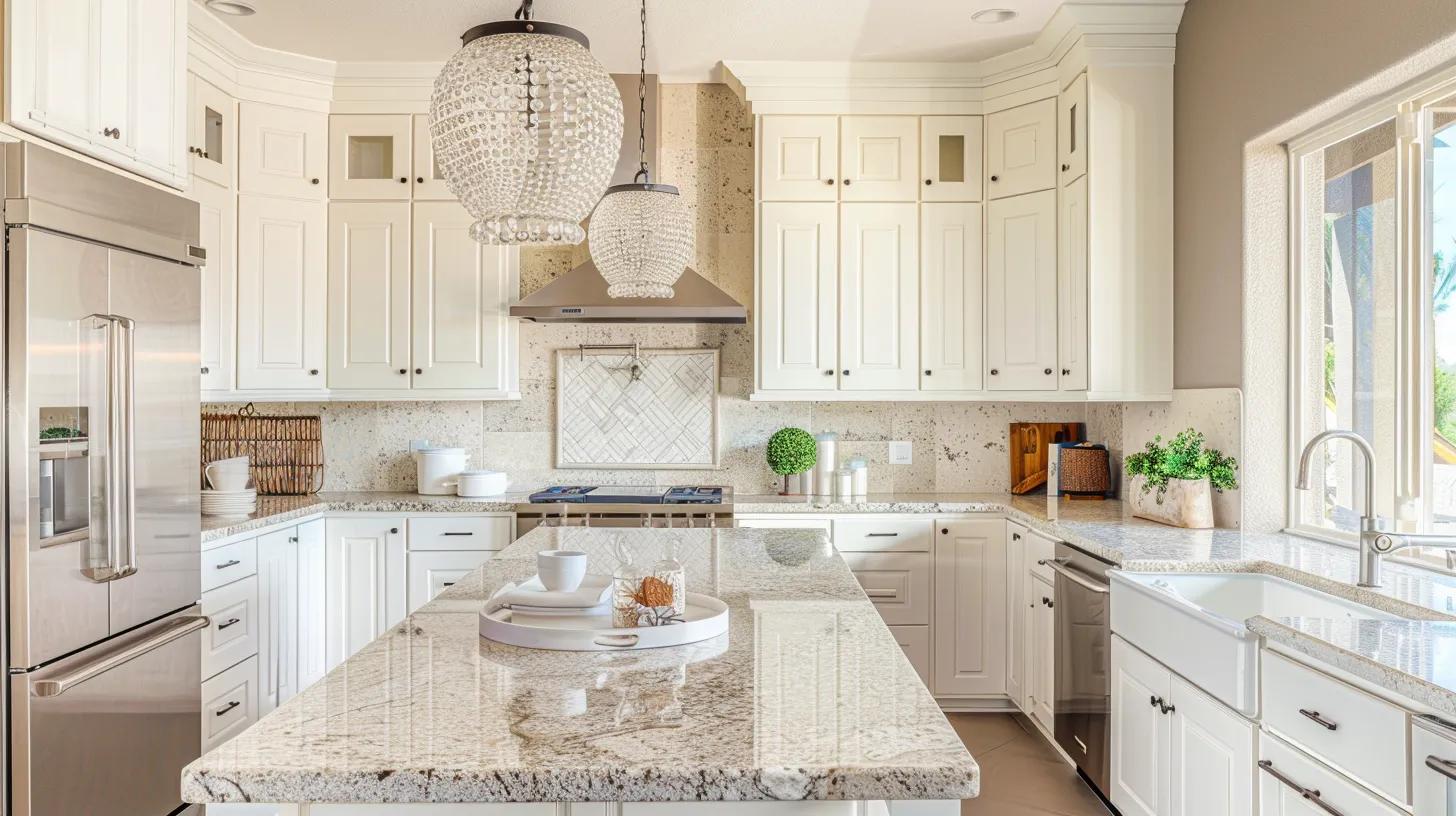
Transform Your Kitchen with DIY Stone Countertop Upgrades
Updating your countertops is one of the fastest ways to improve both the look and function of your kitchen. With the right stone and straightforward techniques, many homeowners can tackle countertop upgrades themselves — saving money while achieving professional results. This guide walks through the best stone choices for kitchens, the advantages of granite, quartz, and marble, and practical tips for measuring, installing, and maintaining your new surfaces. Choosing materials that balance durability and environmental responsibility can be confusing; we’ll help you make clear, long-lasting decisions.
Key Takeaways
- Granite, quartz, and marble are top stone choices, each with distinct durability, looks, and care requirements.
- Granite stands up to heat and everyday use; quartz is non-porous and low-maintenance; marble offers timeless beauty but needs more care.
- Eco-conscious options include recycled glass surfaces and responsibly sourced stone with low-VOC sealers.
- Precise measurements and careful planning are essential for a smooth DIY countertop installation. Learn more about the buying process.
- Measurements require a tape measure, a level, and a straight edge to ensure accuracy.
- Good preparation, the right installation techniques, and proper aftercare deliver a professional finish.
- Be realistic about your skill level when deciding between DIY and a professional installer. For expert help, contact Classic Stoneworks.
- Routine cleaning, sealing every 6–12 months, and quick stain response keep countertops looking their best.
- Fix scratches and chips promptly — get professional help for larger repairs to extend the life of your surface.
Which Stone Countertop Materials Are Best for Your DIY Kitchen Upgrade?
Selecting the right stone starts with how you use your kitchen and the look you want. Popular choices include granite, quartz, and marble — each brings a different set of strengths. Classic Stoneworks fabricates custom countertops from these materials and can help you match performance to style. Granite is prized for its toughness and heat resistance, ideal for active kitchens. Quartz is engineered to be consistent in color and pattern and is non-porous, so it’s easier to care for. Marble delivers elegant, one-of-a-kind veining but typically requires more maintenance to avoid stains and etching.
- Granite: Durable and heat-resistant natural stone built for heavy use. Learn more at Classic Stoneworks Granite.
- Quartz: Engineered, non-porous surface with consistent color and low maintenance. Discover options at Classic Stoneworks Quartz.
- Marble: Luxurious, unique veining that needs extra care to keep it pristine. Explore selections at Classic Stoneworks Marble.
Your final choice should reflect how the space is used, your budget, and the aesthetic you want.
What Are the Benefits of Granite, Quartz, and Marble Countertops?
Each stone type has clear benefits that affect performance and maintenance. Knowing these differences helps you pick the right fit for your daily routine and design goals.
Granite handles high temperatures and everyday wear — a solid choice for cooks. Quartz resists stains and bacteria because it’s non-porous, making upkeep simple. Marble’s classic look can add significant character and value, but it performs best when cared for regularly.
How to Choose Eco-Friendly and Durable Stone Materials?
Choosing eco-friendly stone means looking at sourcing and manufacturing. Recycled materials and responsibly quarried stone reduce environmental impact. Also consider low-VOC finishes to keep indoor air quality healthy.
- Recycled Glass: Made from post-consumer glass, these surfaces are stylish and divert waste from landfills.
- Sustainably Sourced Stone: Select quarries and suppliers that minimize environmental disruption.
- Low-VOC Finishes: Opt for sealers and finishes that limit off-gassing for a healthier home.
Prioritizing sustainable materials lets you build a kitchen that looks great and aligns with your values.
Classic Stoneworks specializes in custom stone countertops from granite, quartz, and marble, with a focus on quality craftsmanship and tailored design to help your DIY project look professional. See their portfolio for inspiration and examples of their work.
How Do You Measure and Plan for a Successful DIY Countertop Installation?
Accurate measuring and planning cut down on mistakes and delays. Start by measuring lengths, widths, and any cutouts for sinks or appliances, and note overhangs and corner details. Remember to factor in stone thickness — it affects edge profile and clearance.
- Set a Budget: Know what you’ll spend on material, tools, and any subcontracted work.
- Choose Materials and Edge Profiles: Pick the stone and edge style that suit your design and function.
- Take Accurate Measurements: Use a level and tape measure to capture precise dimensions.
Thoughtful planning prevents costly surprises and ensures parts fit together cleanly during installation. Learn more about the buying process to prepare effectively.
What Tools and Techniques Are Needed for Accurate Countertop Measurements?
Good tools make accurate templates and cuts possible. Keep measurements neat and double-check critical dimensions before cutting or ordering material.
- Measuring Tape: For lengths, widths, and cabinet dimensions.
- Level: Confirms cabinets and supports are even before installation.
- Straight Edge: Useful for marking straight lines and checking alignment.
Record all numbers carefully and verify them twice to avoid costly rework.
How to Create a Practical Plan for Your Kitchen Remodel Project?
A practical remodel plan combines design goals, a realistic budget, and a timeline. Collect inspiration, list priorities, and schedule tasks so you can manage time and resources effectively.
- Define Your Design Goals: Clarify what you want the space to do and feel like.
- Set a Realistic Budget: Include materials, tools, and possible professional labor.
- Gather Inspiration: Pull images and samples that match your preferred look. Use tools like the Kitchen Visualizer and Bathroom Visualizer to preview designs.
A clear plan keeps the project organized and helps you hit milestones on schedule.
What Are the Key Installation Tips for DIY Stone Countertop Upgrades?
Stone countertop installation takes preparation and care. Keep the workspace clean, follow manufacturer guidelines, and allow adhesives and sealers to cure fully.
- Preparation Steps: Clear the area, support cabinets, and verify cabinet flatness.
- Installation Techniques: Use recommended adhesives and anchoring methods for a secure fit.
- Post-Installation Care: Let adhesives cure, then seal and inspect the surface before regular use.
These steps help you achieve a long-lasting, professional-looking installation.
Which Steps Ensure Proper Fabrication and Fit of Custom Stone Countertops?
Getting a seamless fit depends on clear communication and precise measuring. Start with a consultation, create an accurate template, and inspect the finished pieces before installation.
- Initial Consultation Steps: Share design goals, discuss materials, and confirm measurements.
- Precision Measuring: Use exact templates and double-check critical dimensions.
- Quality Inspection: Inspect slabs and fabricated pieces for defects before installation.
Careful fabrication and a final quality check reduce surprises during installation.
When Should You Consider Professional Installation vs DIY?
DIY can save money, but some situations call for professionals — especially if the job involves complex cuts, large heavy slabs, or structural changes. If you lack the tools or experience, hiring experts can protect your investment and speed up completion.
For tailored design help and experienced installation, reach out to Classic Stoneworks. Their team can advise on materials, fabrication, and installation to match your needs.
- Skill Level Assessment: Be honest about what you can safely handle.
- Cost Considerations: Compare DIY savings to the potential cost of mistakes.
- Quality of Work: Professionals offer guaranteed fit and finish that can be worth the expense.
Knowing when to hire professionals can save time and prevent avoidable damage.
How Can You Maintain and Care for Your New Stone Countertops?
Regular care preserves appearance and performance. Wipe surfaces daily with mild soap and water, reseal porous stones as recommended, and clean spills quickly to prevent stains.
- Cleaning Practices: Use gentle, pH-balanced cleaners and a soft cloth.
- Sealing Recommendations: Seal porous stones every 6–12 months, depending on use.
- Common Issues and Solutions: Tackle stains early and call a pro for major repairs.
Consistent maintenance keeps your countertops looking fresh for years.
What Are the Best Practices for Cleaning and Preserving Stone Surfaces?
Set up a simple routine: daily wipe-downs, weekly deeper cleans, and immediate attention to spills. Annual inspections help catch wear before it becomes a problem.
- Regular Cleaning Routines: Daily care prevents grime buildup.
- Prompt Spill Management: Clean spills immediately to reduce staining risk.
- Annual Inspections: Look for wear, seal failure, or chips that need attention.
Following these habits will keep stone surfaces attractive and durable.
How to Address Common Issues and Extend Countertop Durability?
Scratches, stains, and chips are common but manageable. Minor scratches can often be buffed out; larger chips or cracks usually need a repair kit or professional repair.
For expert advice on materials and a clean installation, contact Classic Stoneworks. Their team can guide you to the best options and services for a long-lasting result.
- Material-Specific Maintenance: Follow care guidelines for the stone you choose.
- General Maintenance Tips: Routine cleaning and protective habits reduce damage.
- Professional Services: Bring in specialists for major repairs or refinishing.
Being proactive about small issues prevents bigger problems later on.
Frequently Asked Questions
What are the costs associated with DIY countertop upgrades?
Costs vary by material, project scope, and tools. Typical ranges: granite $40–$100 per sq. ft., quartz $50–$150 per sq. ft. Expect additional expenses for tools, adhesives, and sealants — roughly $100–$300 depending on what you need. Careful planning and accurate measurements help you avoid unexpected costs.
How can I ensure my DIY installation is level and secure?
Start by checking cabinet levelness with a reliable level and make adjustments before placing countertops. Use a high-quality adhesive and follow manufacturer curing times. Clamps can hold pieces steady while adhesives set. Double-check alignment and support points to ensure a stable installation.
What are the environmental impacts of different countertop materials?
Natural stone requires quarrying, which can affect local landscapes and ecosystems. Look for suppliers that use responsible quarrying and supply-chain transparency. Recycled glass and reclaimed materials lower landfill impact, and low-VOC finishes improve indoor air quality. Evaluate sourcing and production when choosing a sustainable option.
How do I choose the right edge profile for my countertops?
Edge profiles affect style and function. Straight edges suit modern looks, beveled edges add subtle detail, and bullnose edges create a softer, safer profile for homes with children. Think about how the edge affects cleaning and overall design when making your choice.
What should I do if my countertop gets damaged?
Assess the damage: light scratches can often be polished out, while deep chips or cracks may need a repair kit or professional restoration. Address damage quickly to prevent it from worsening. Keep a trusted repair contact on hand for larger issues.
Are there any specific cleaning products I should avoid?
Avoid acidic cleaners (vinegar, lemon) on granite and marble — they can etch the surface. Stay away from abrasive pads and harsh scouring powders that can scratch finishes. Use pH-balanced cleaners or mild soap and water, and follow manufacturer recommendations for your specific material.
How can I enhance the longevity of my countertops?
Protect surfaces with cutting boards and trivets, clean daily with mild soap, seal porous stones every 6–12 months, and address spills and damage promptly. A consistent care routine and sensible use will significantly extend the life and appearance of your countertops.
Ready to Upgrade Your Kitchen?
Explore our selection of premium countertop materials and get the guidance you need to make your kitchen upgrade a success by contacting Classic Stoneworks.
Conclusion
Upgrading your kitchen with stone countertops not only enhances aesthetics but also boosts functionality and value. By choosing materials like granite, quartz, or marble, you can achieve a balance of durability and style that suits your lifestyle. With the right planning and care, your DIY project can yield professional results that last for years. Start your journey to a stunning kitchen by exploring our premium countertop options today.